
Flood Control Solutions For Government Programs & Emergency Management
Flood Protection Systems For Emergency Management Departments & Government Programs
Local government and emergency managers have a duty to protect their communities from flooding. Safety plans and protocols are developed to have the most effective and efficient solutions ready to deploy. Early preparedness is sometimes the difference between mitigating potential flood damage and a full-on local catastrophe and emergency.
Severe storms, such as hurricanes, as well as swelling rivers and rising coastlines have the potential to deal devastating flood damage to local communities. Emergency managers and flood resilience directors create the protocols that are put in place to help protect citizens in times of weather disaster.
According to the federal government flood maps, there are 14.6 million properties within the U.S. communities that are at risk of a 100-year flood and we’ve seen 100-year floods coming much more frequently than projected.
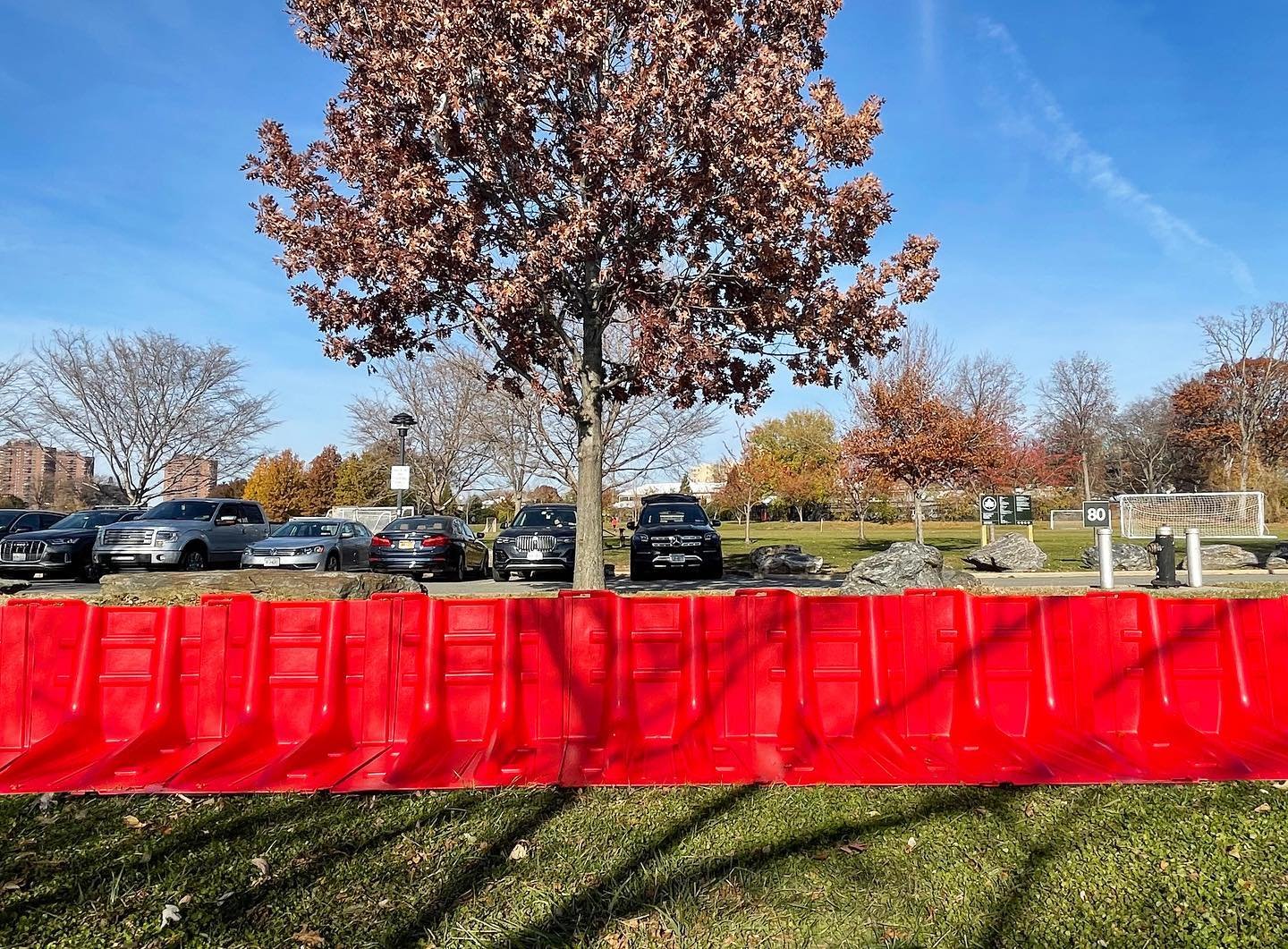
Developing a thorough emergency plan to protect your community is imperative and Garrison Flood Control can help be a part of that plan, with easy-to-deploy barrier systems of varying heights and capabilities, designed to re-route, and hold back flood waters.
Contact us for advice on preparing in advance for flooding in your community.
Most Common Causes of Water Intrusion at Government & Community Facilities:
Severe Storms, Runoff & Flash Floods
Rising Lake Water Levels
Overflowing Rivers & Creeks
Coastal Erosion
Backed Up Sewers or Drains
Inadequate Drainage


FEMA’s maps aren’t designed to account for flooding caused by intense rainfall, a growing problem as the atmosphere warms with climate change.

Flooding at government municipalities results in closed businesses and a reduction in economical development and community welfare.

Flooding is becoming more frequent along the U.S. coastline. Every site measured has experienced an increase in coastal flooding since the 1950s. The rate of increase is accelerating.



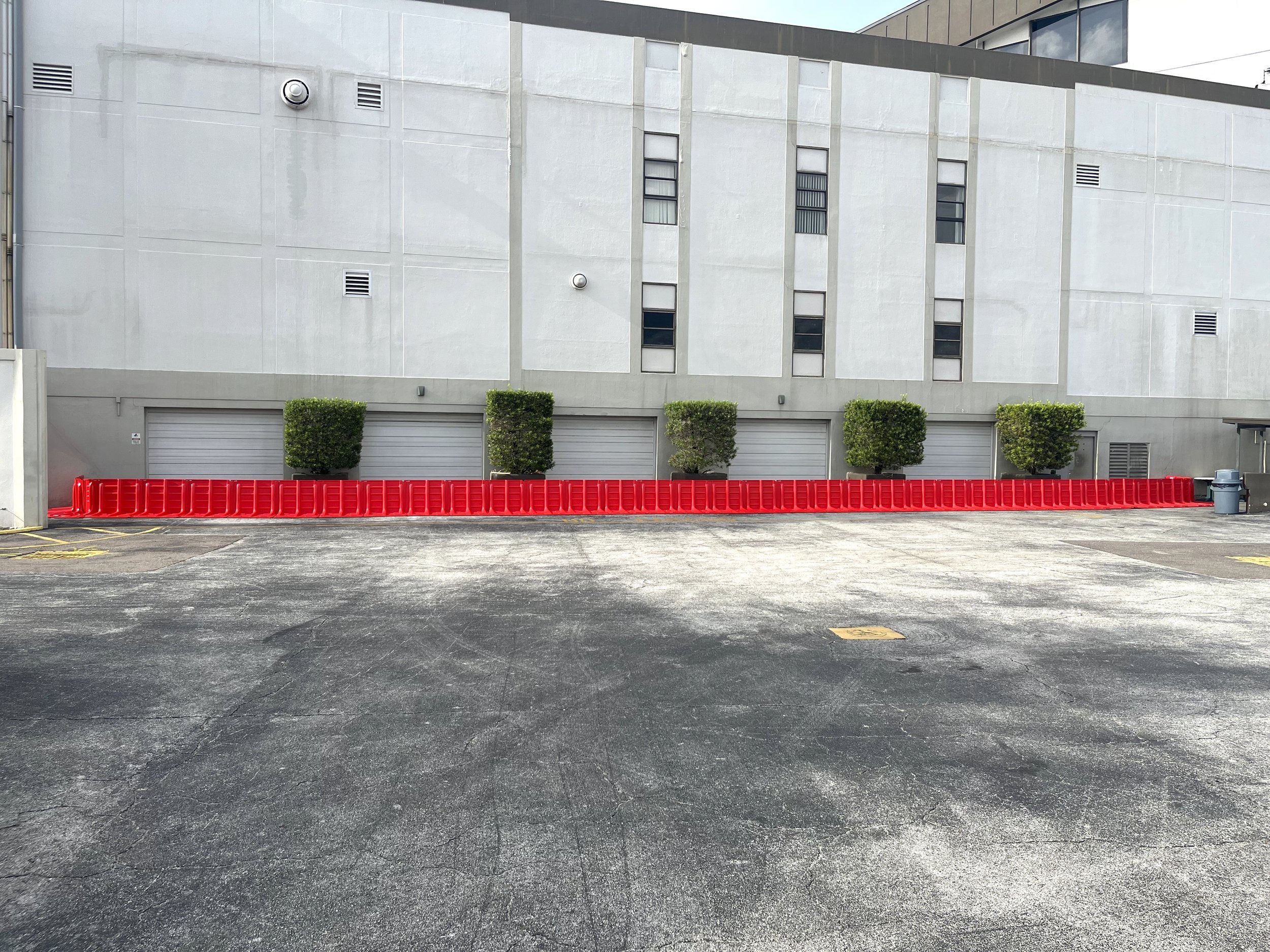
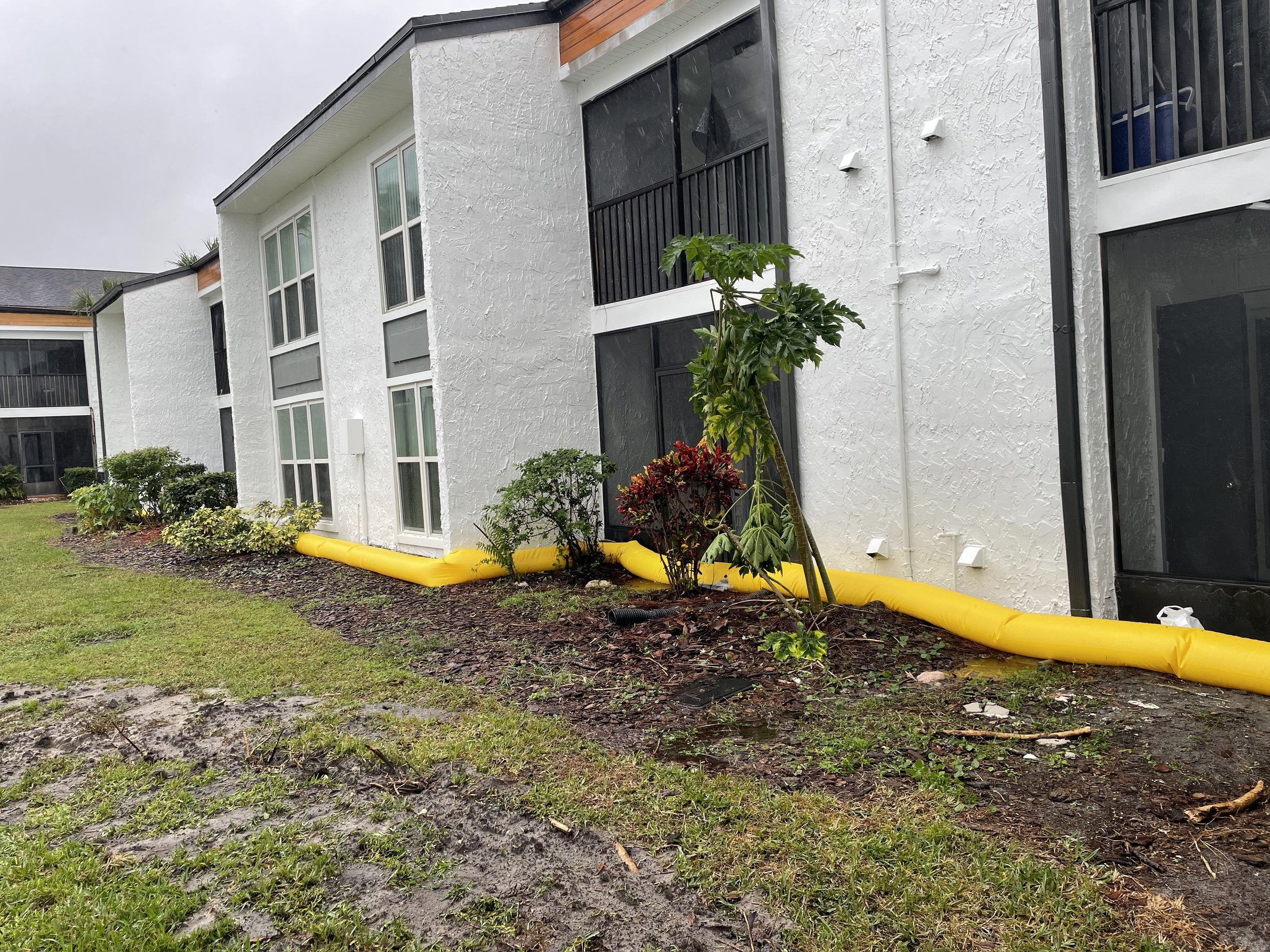
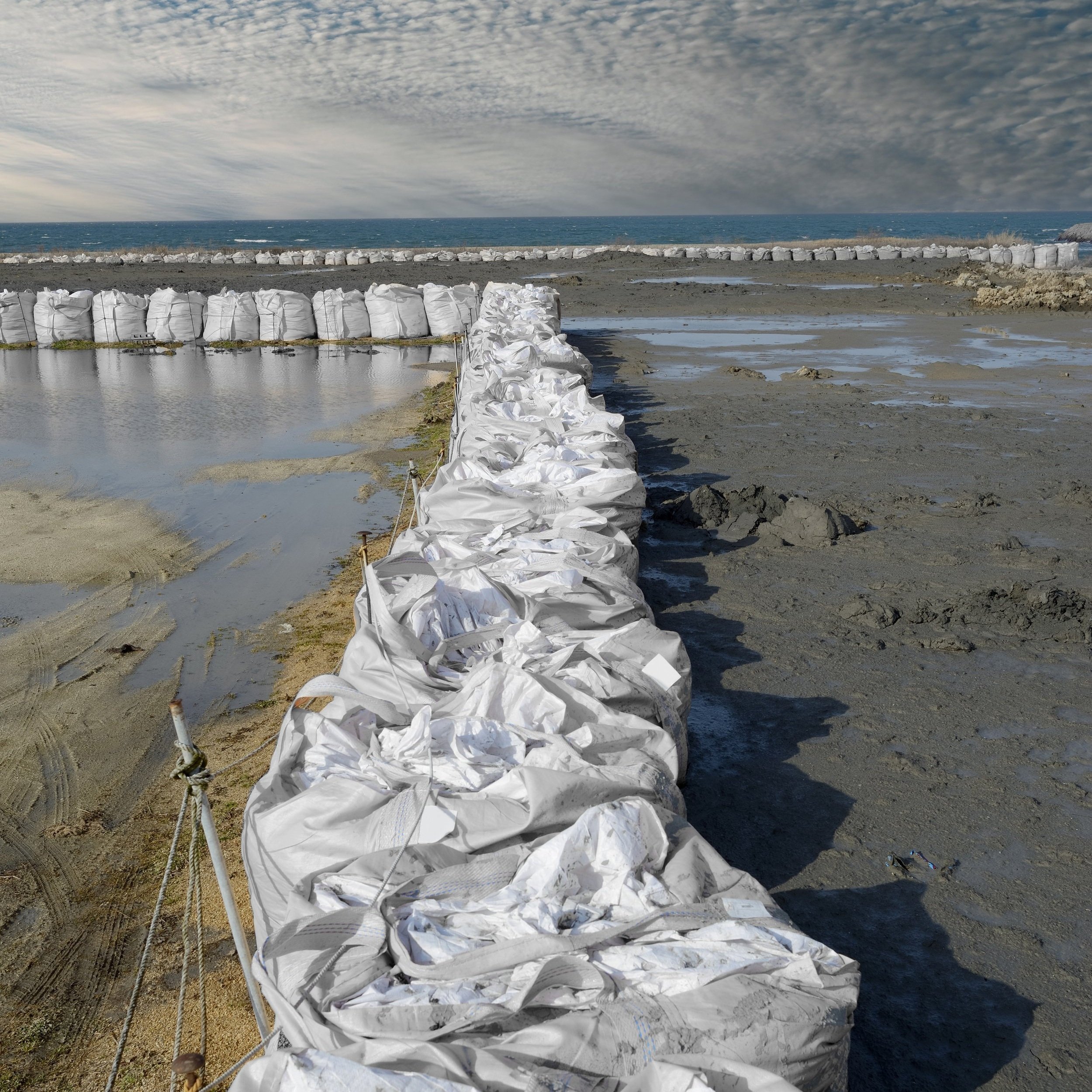


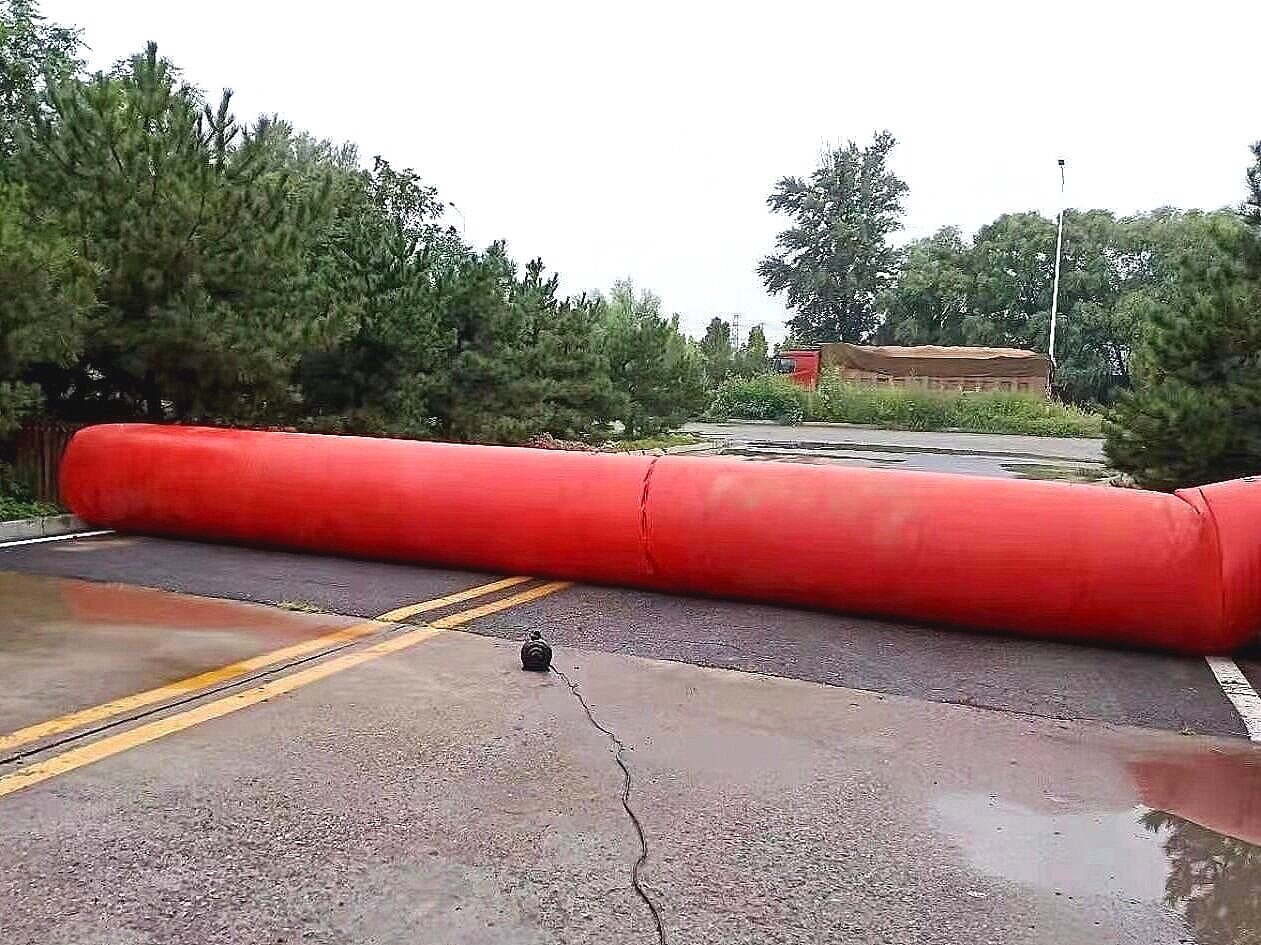

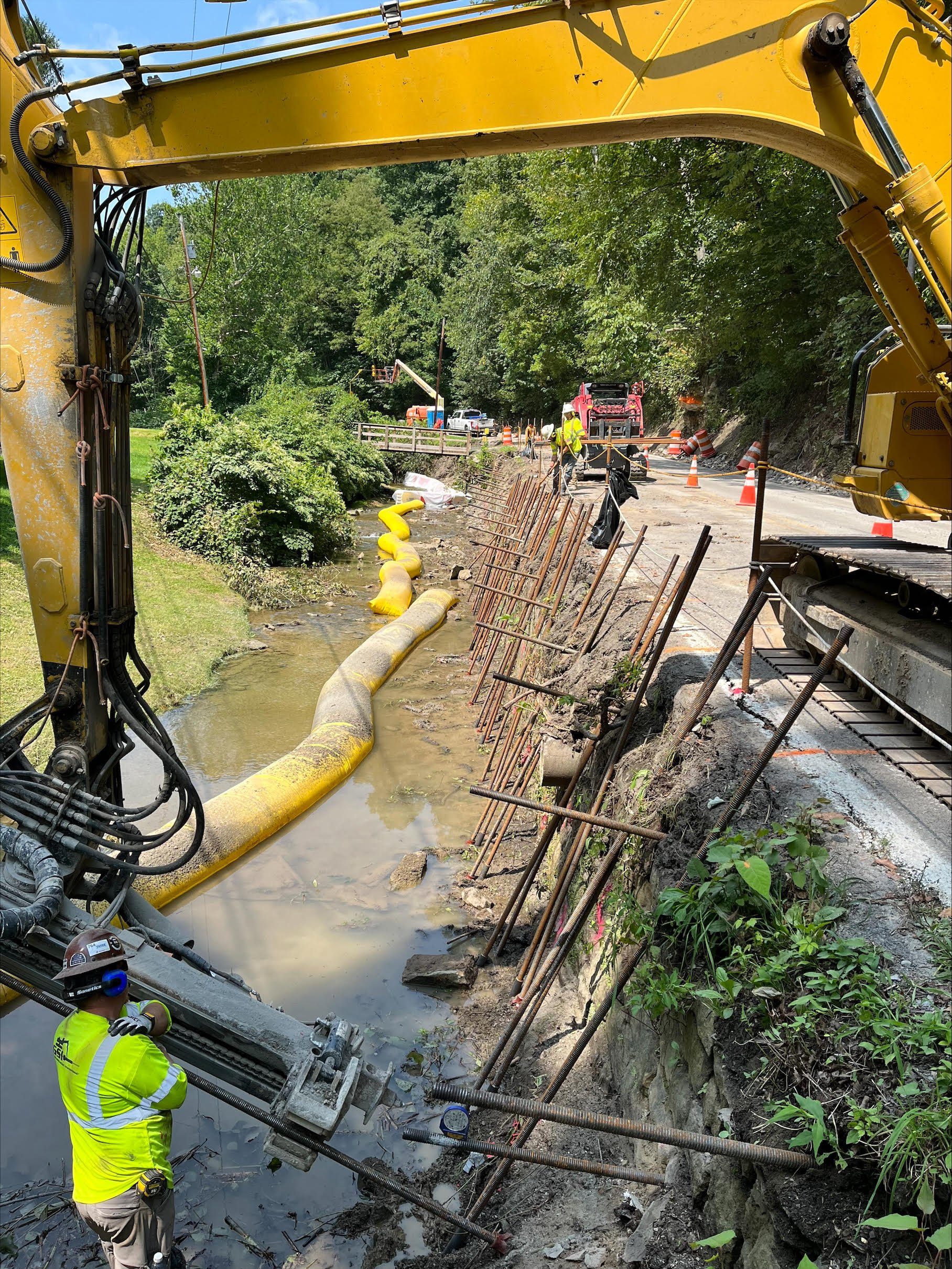

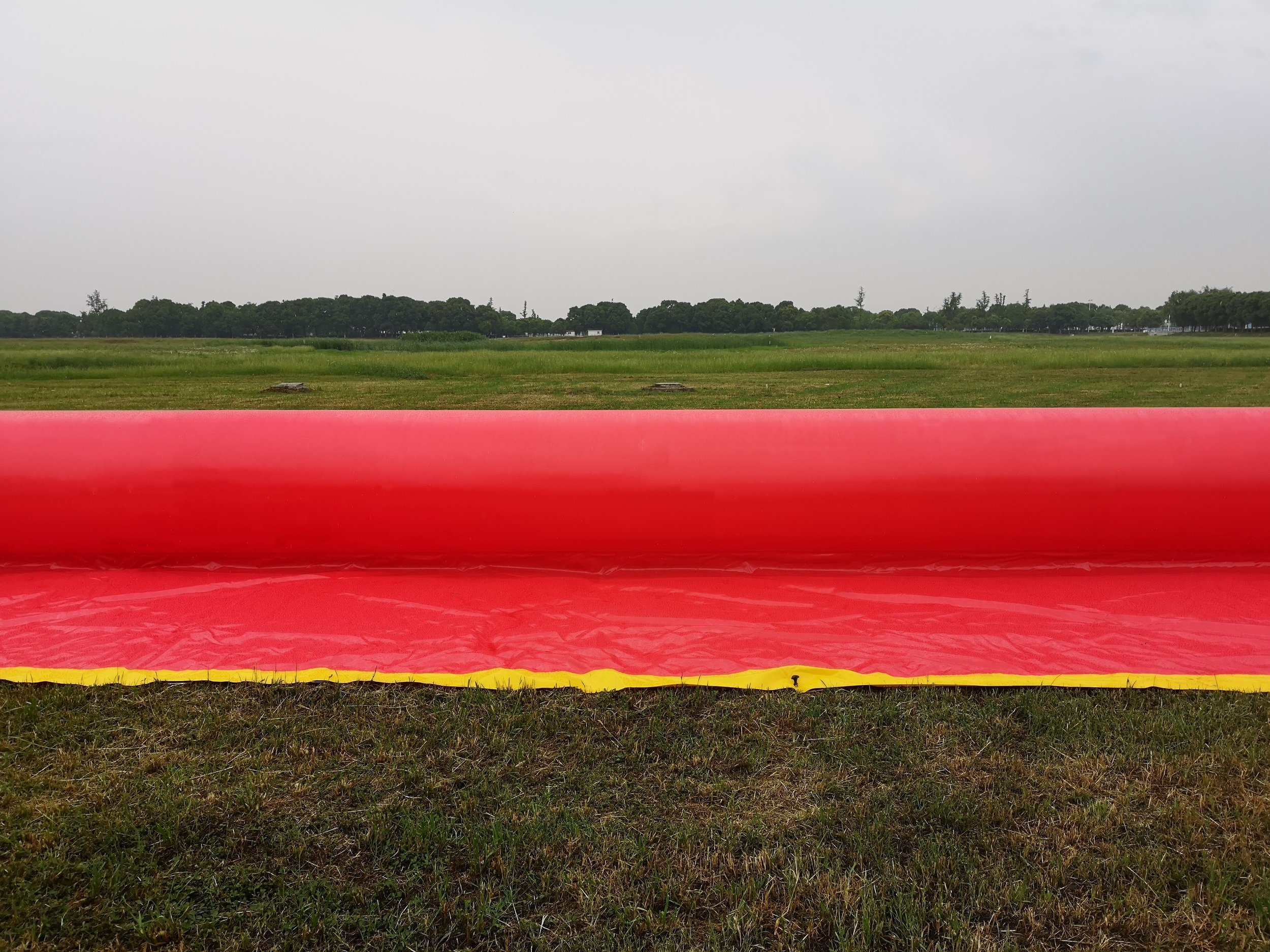
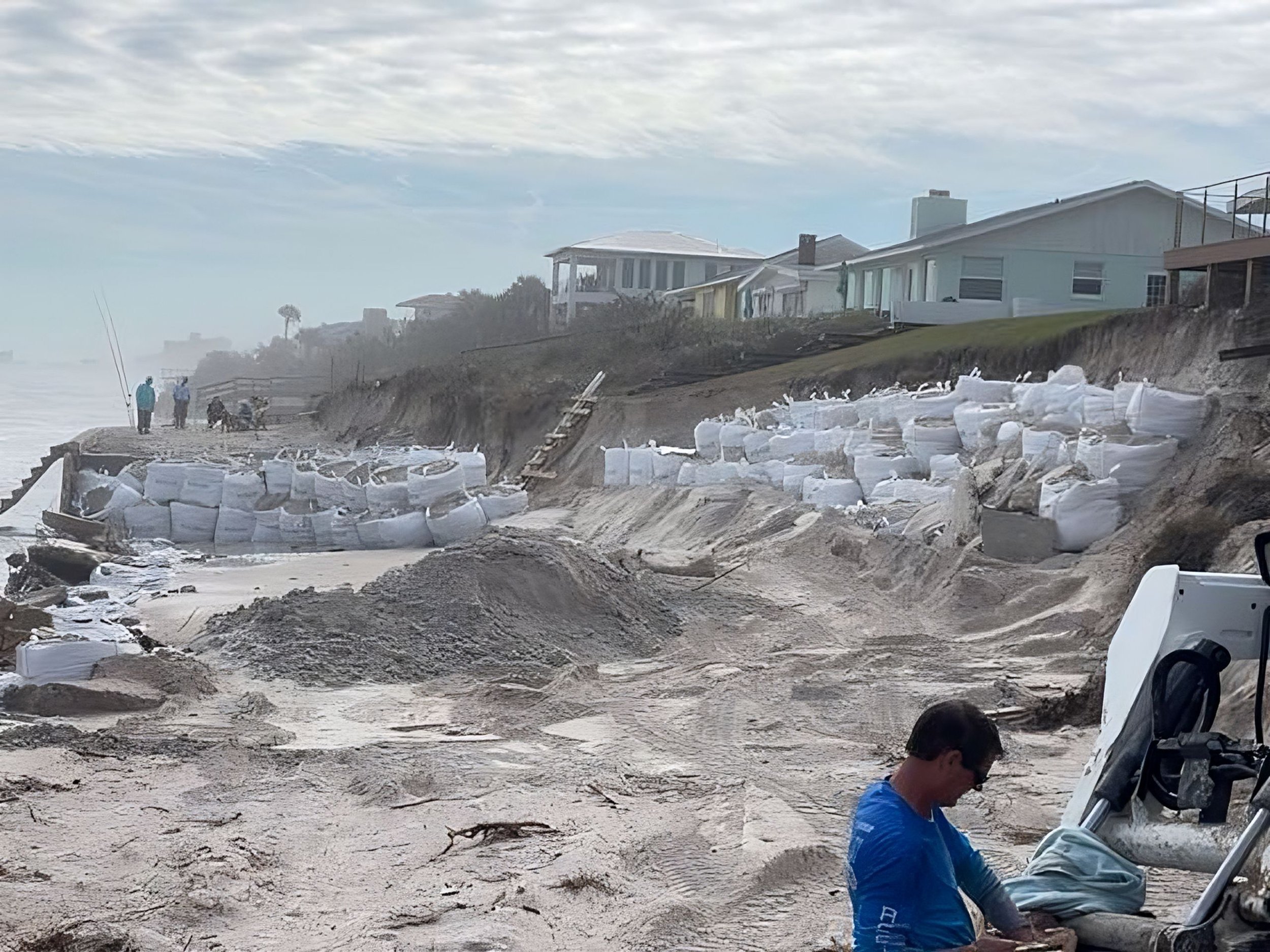
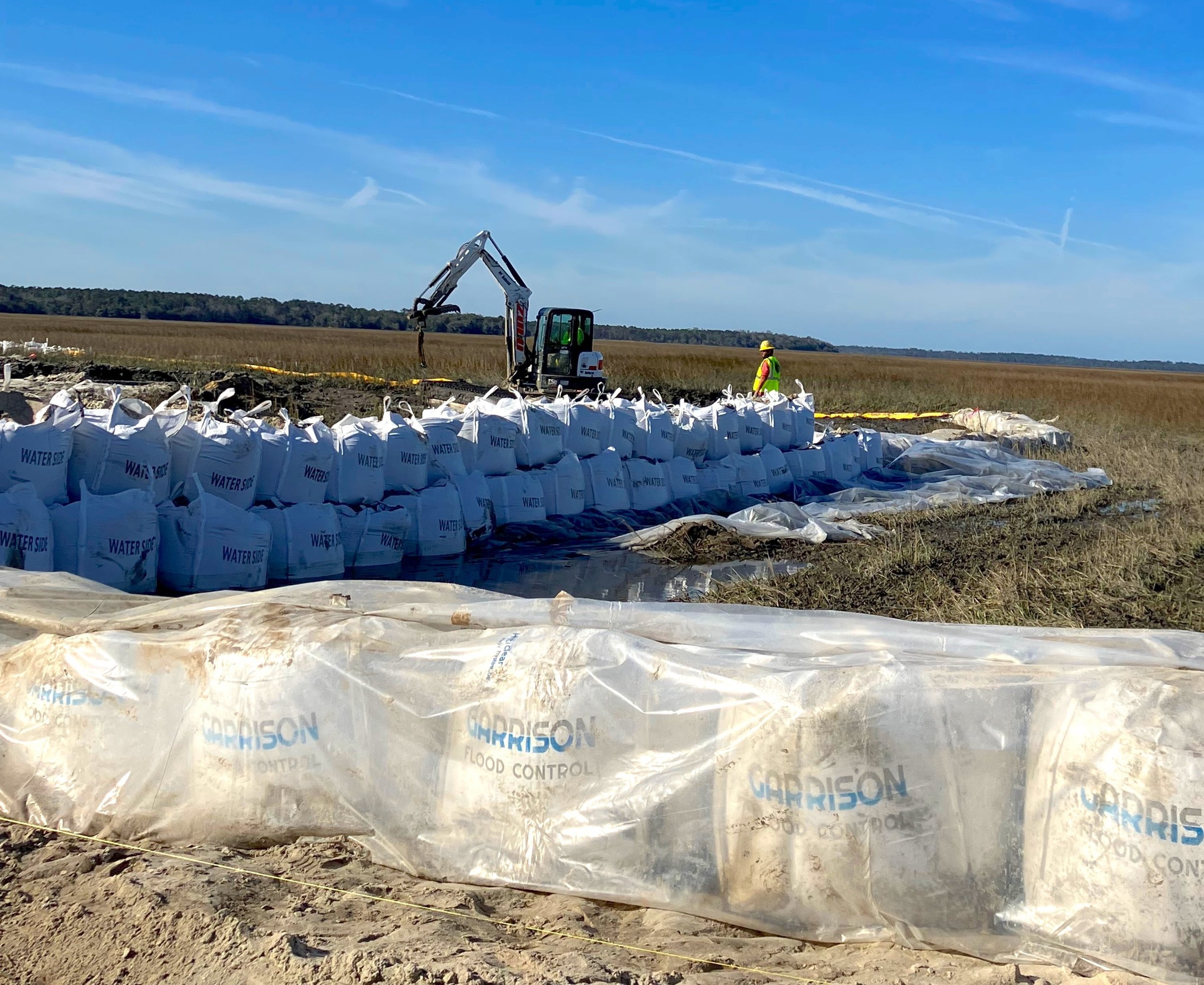



Garrison Can Provide Flood Barriers For:

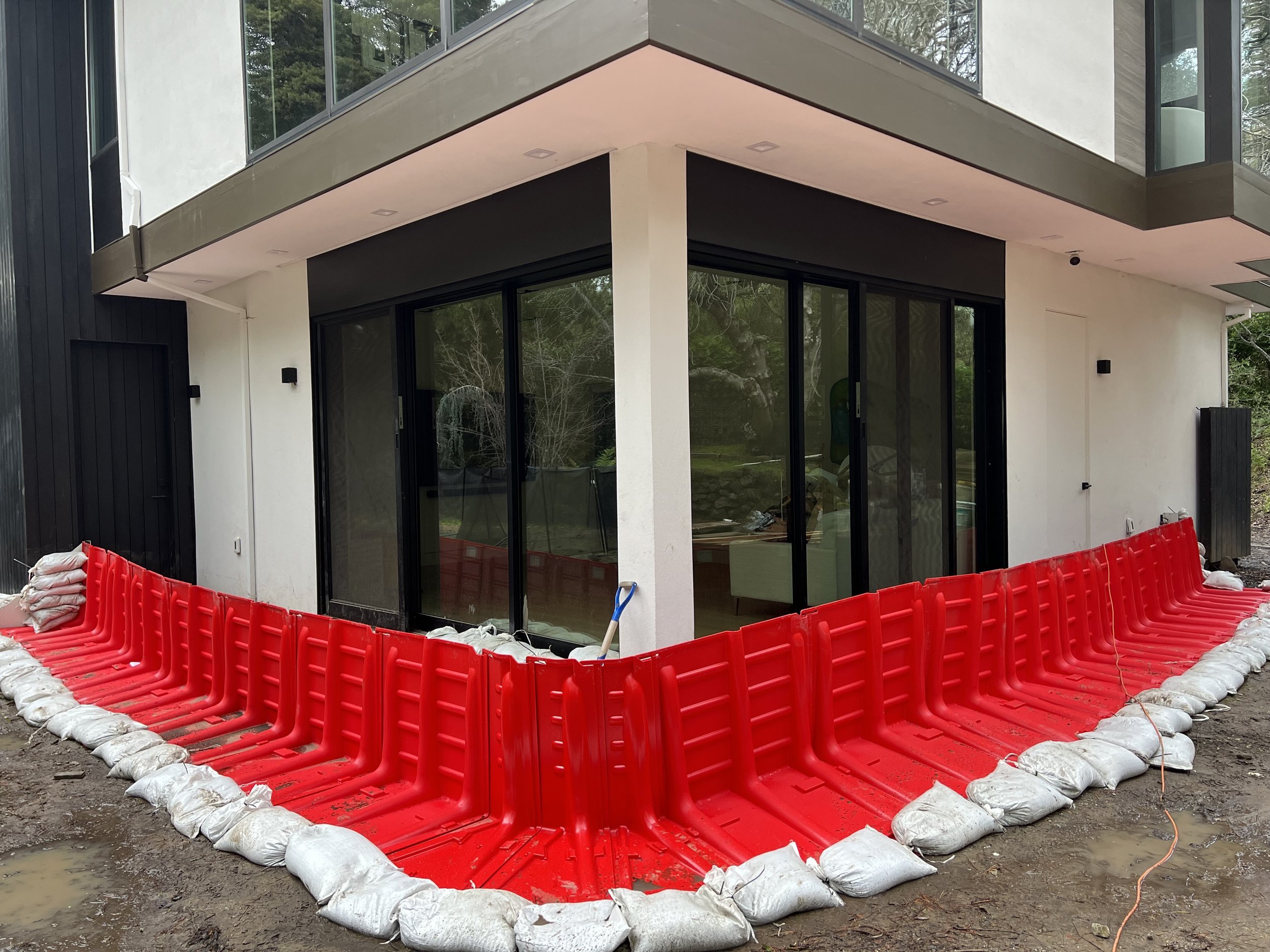
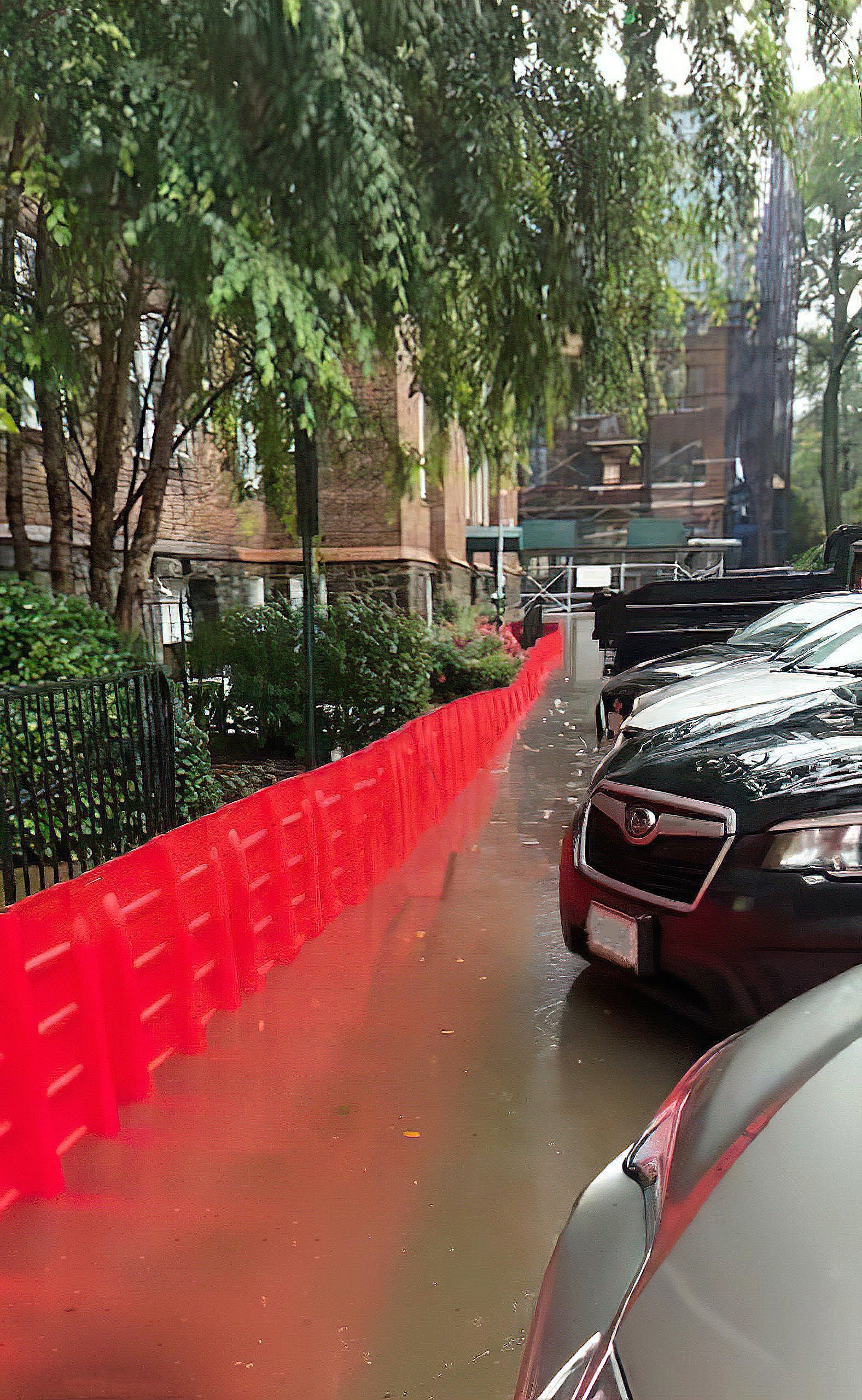
Property Perimeter Flood Protection

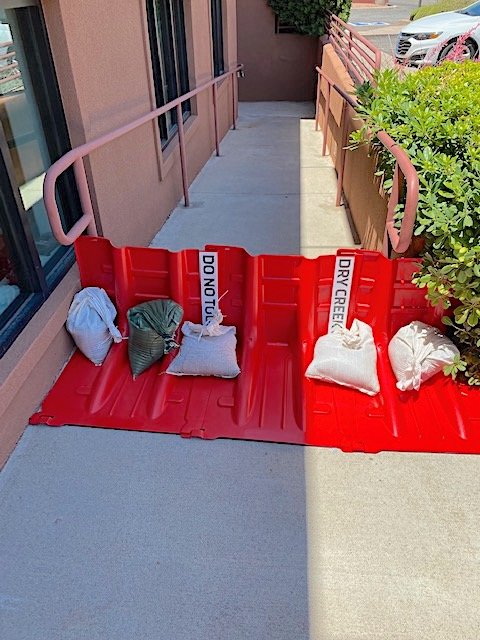
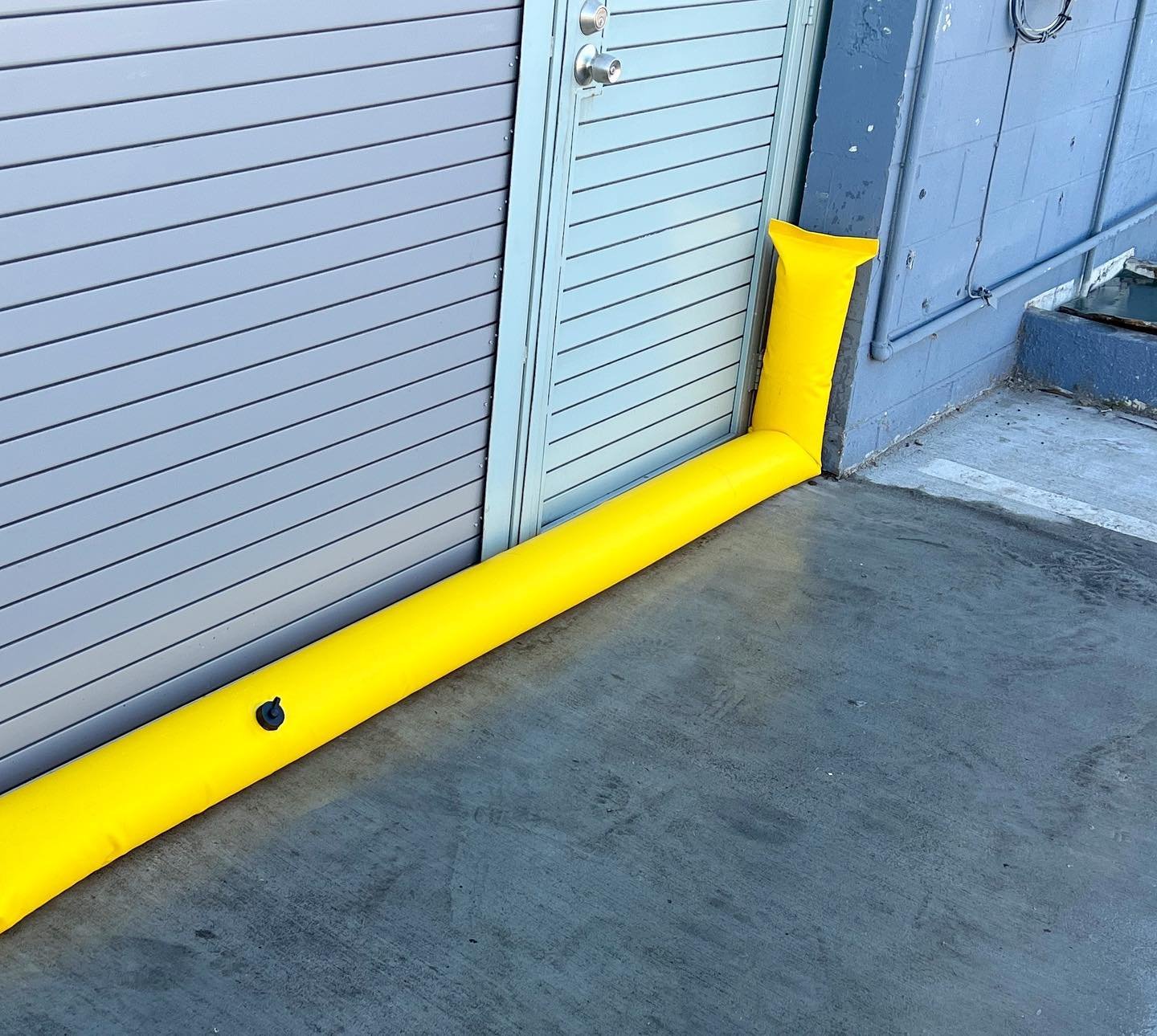
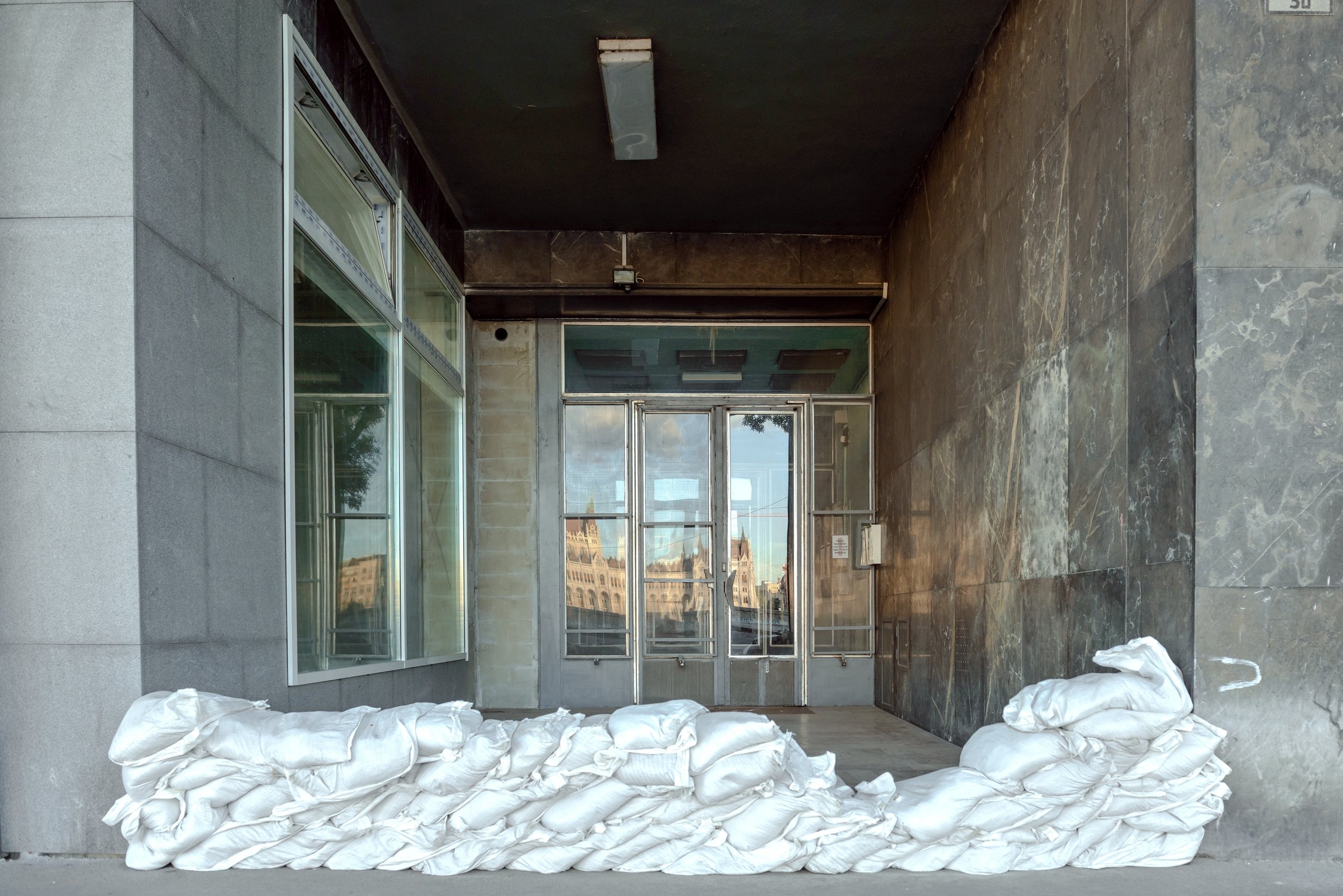
Doorway & Garage Protection

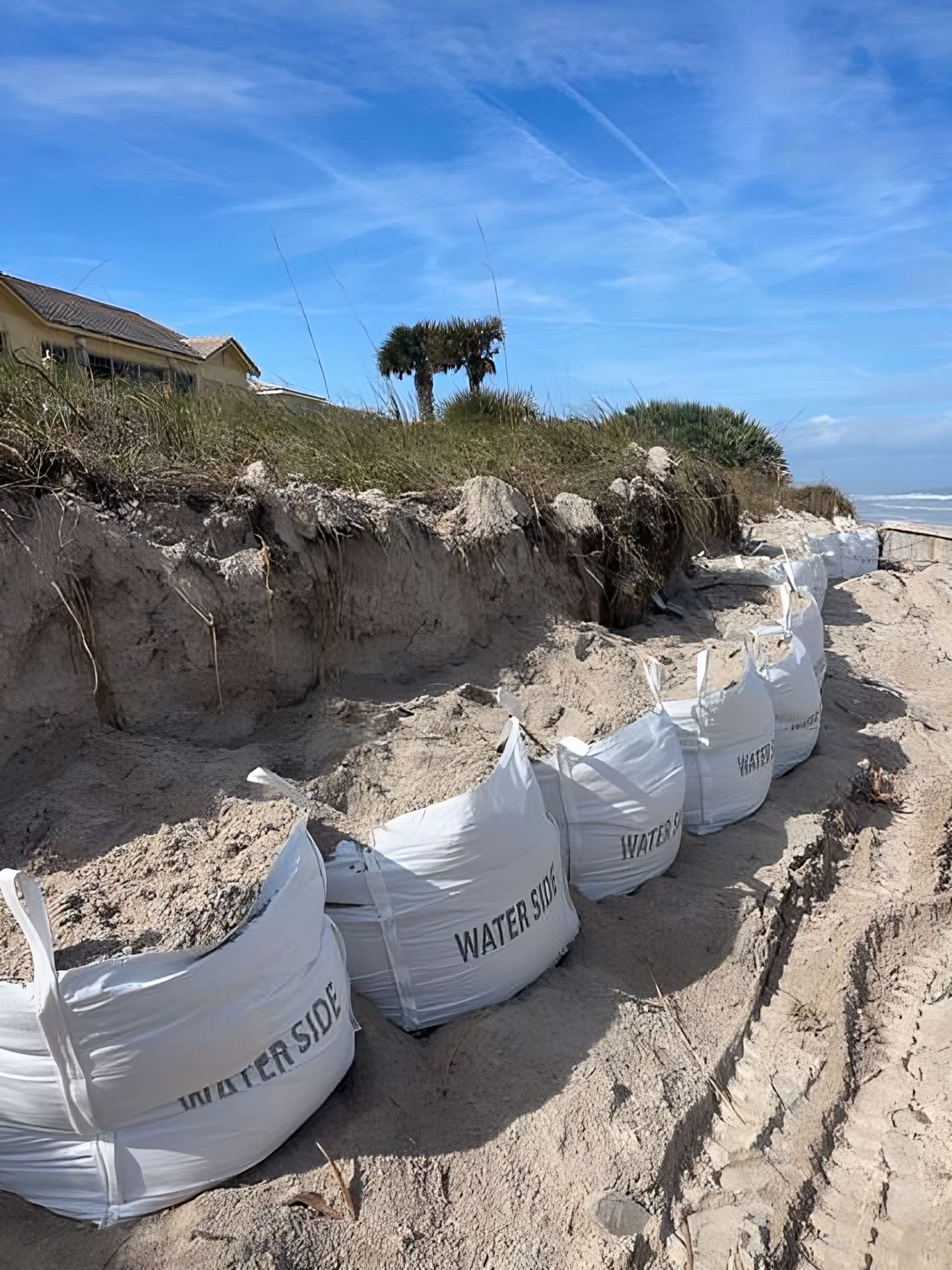
Waterfront Community Protection

Water & Sewer Protection
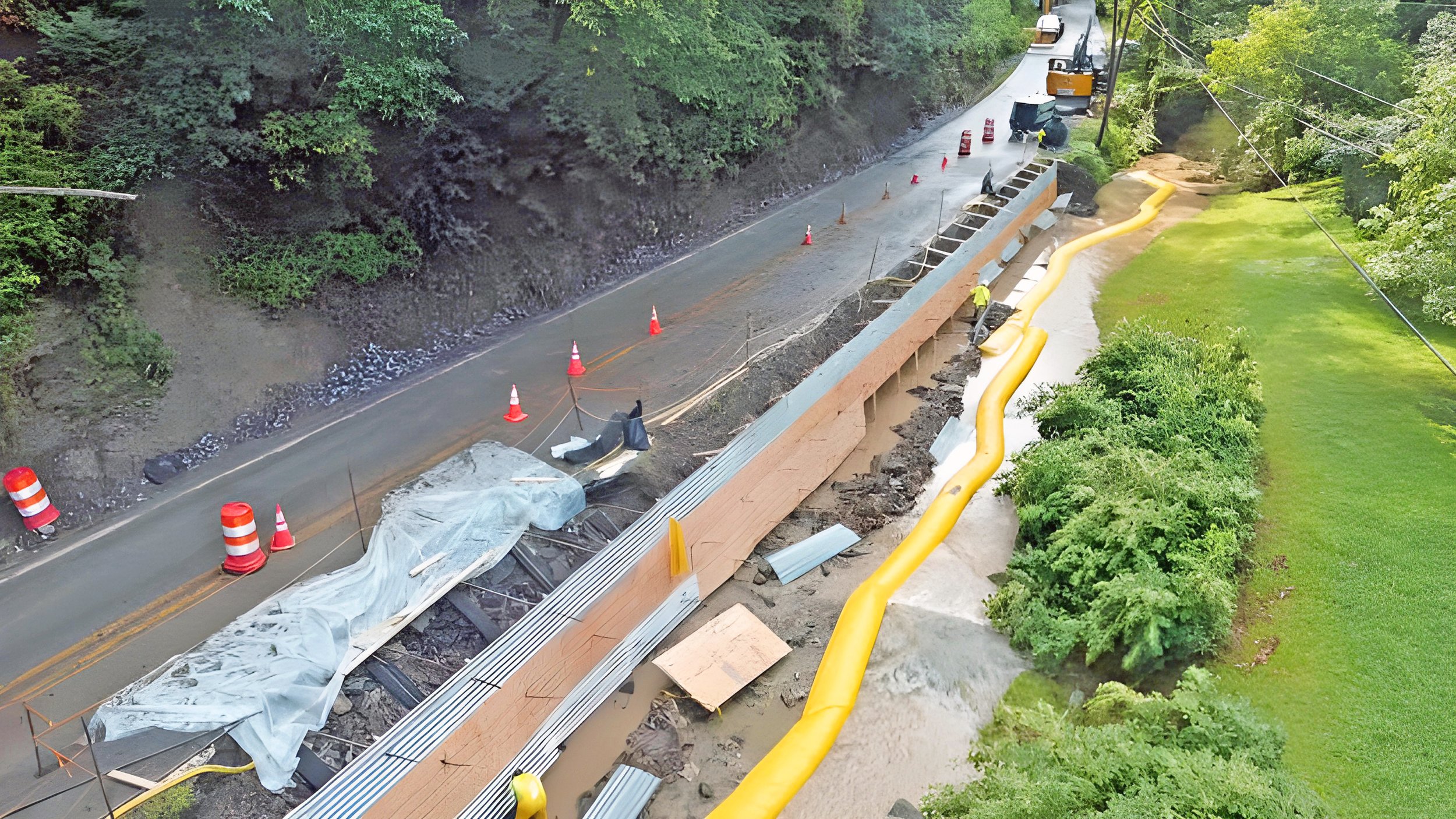
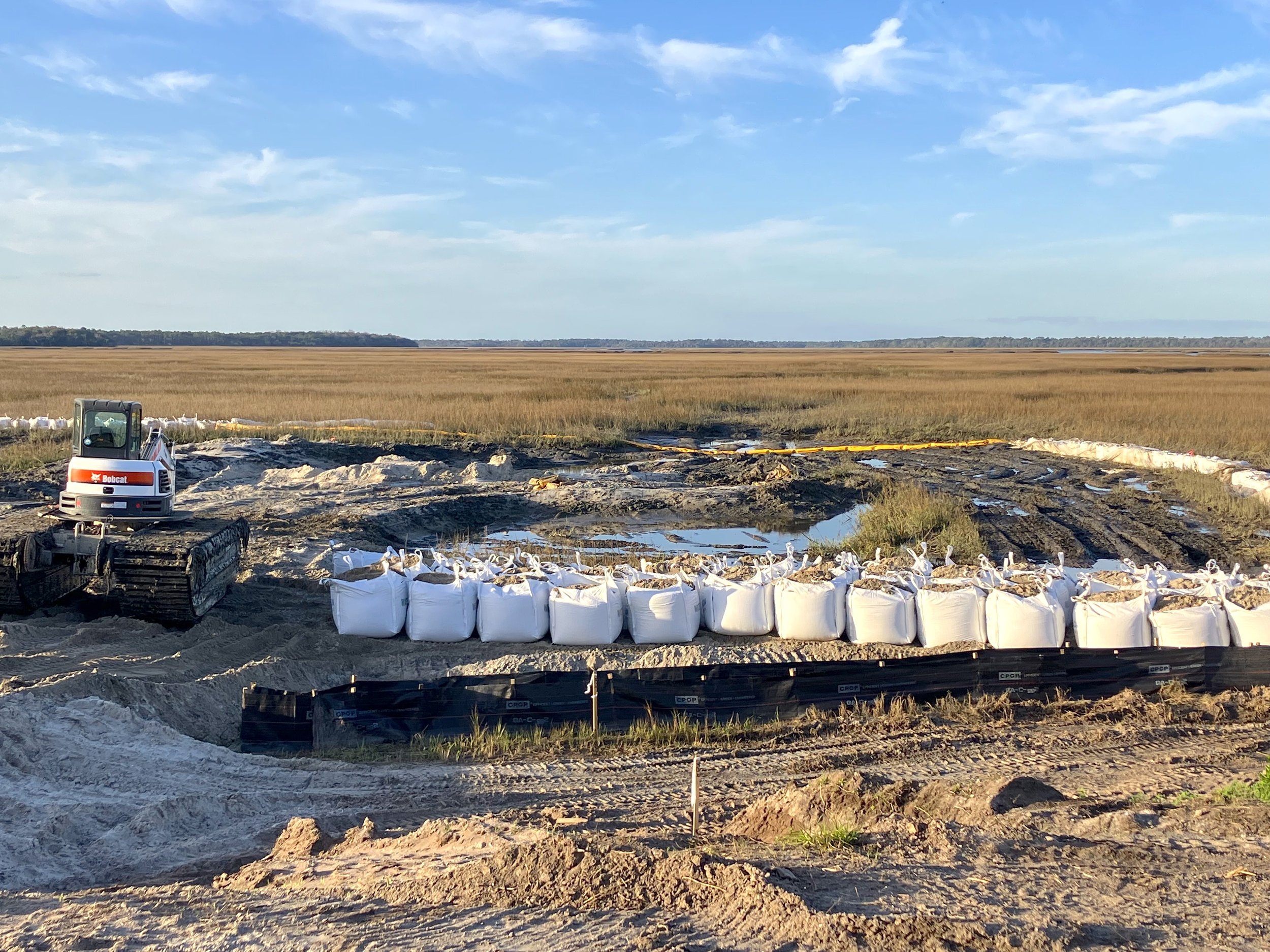
Erosion, Dike & Berm Construction

Utility & Power Plant Protection
Basement & Stairwell Protection

Municipal Building Protection
Garrison, Your Partner in Flood Resiliency


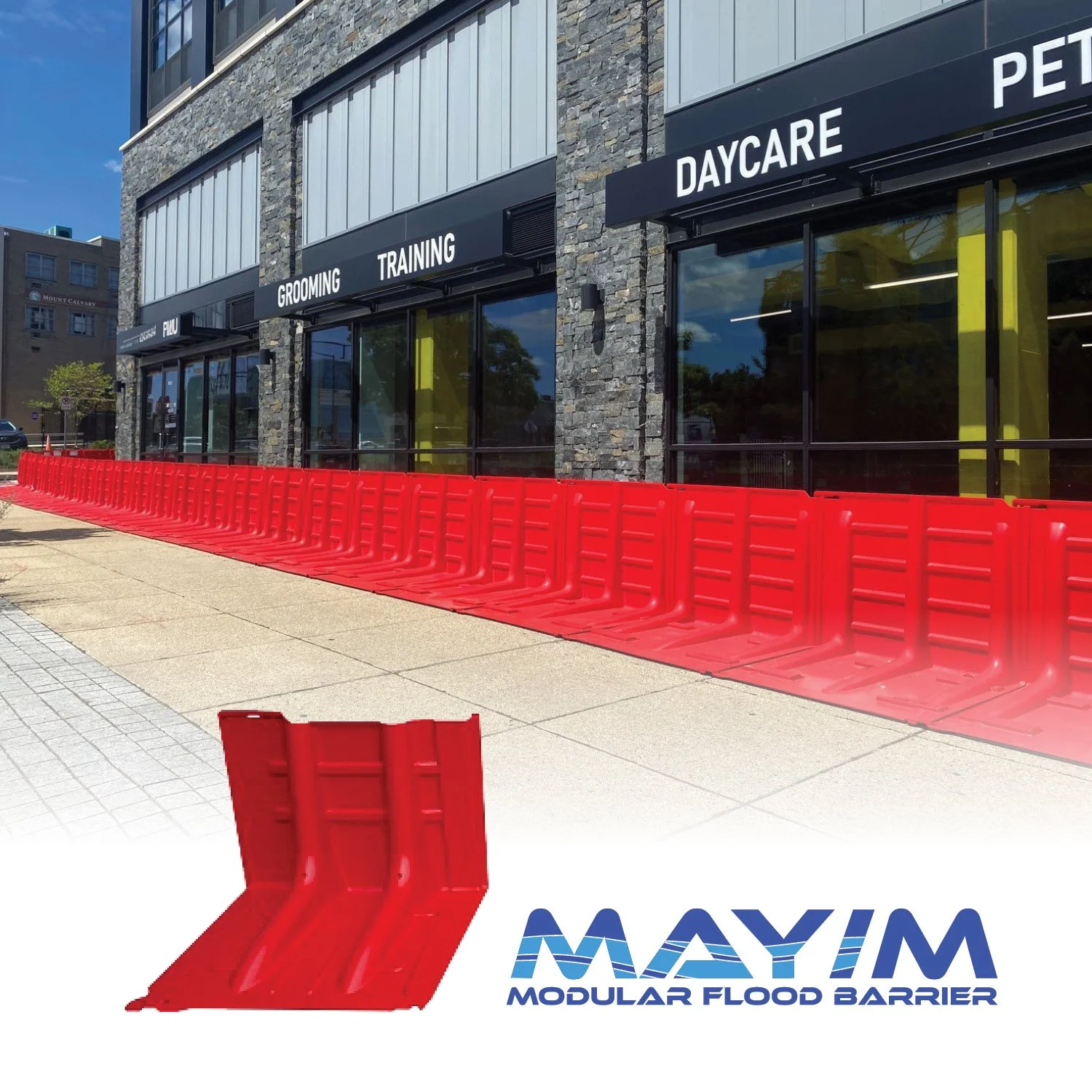


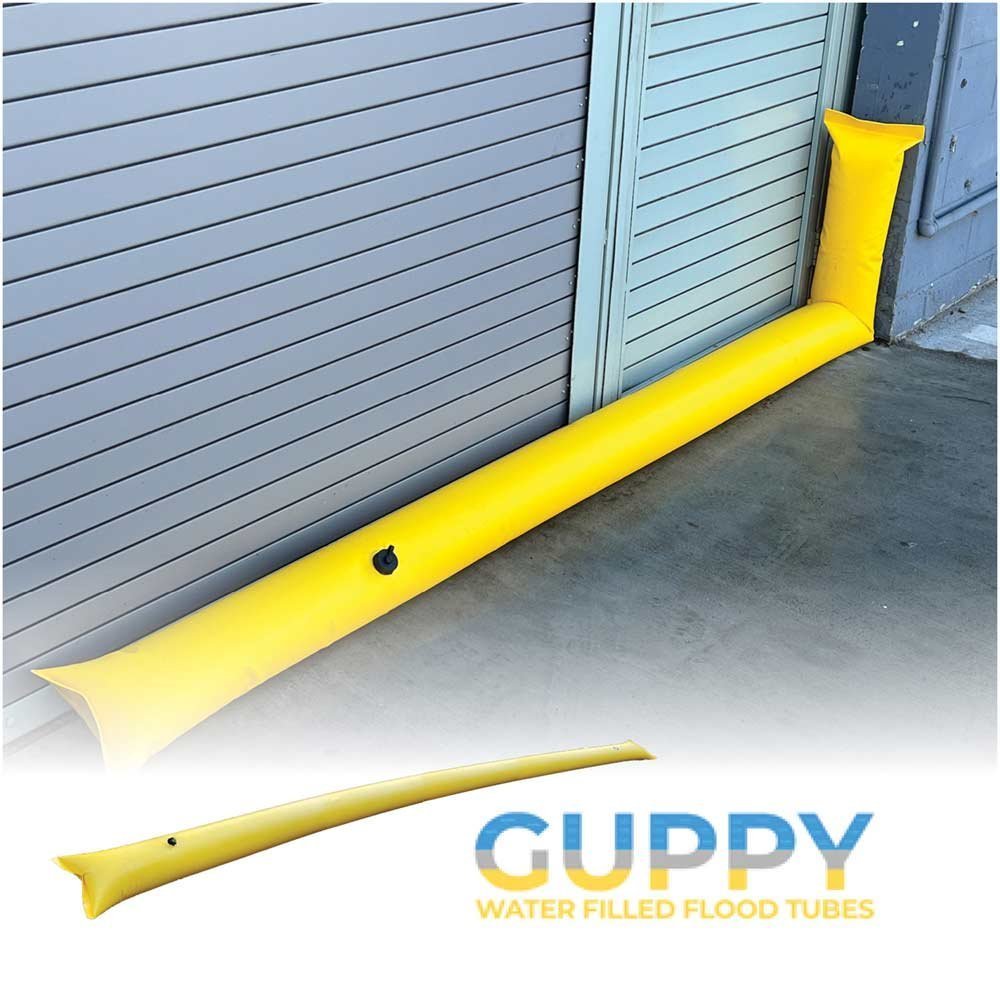
View Our Case Studies - Flood Mitigation For Emergency Management, Municipalities & Government



Predict ▸ Plan ▸ Prepare, with Garrison Flood Control
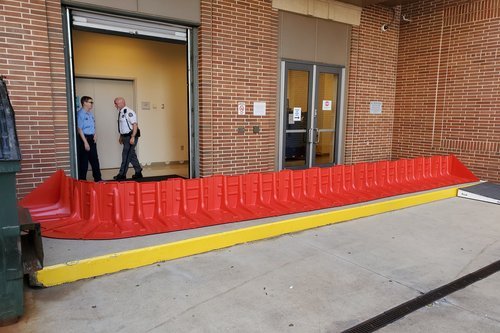
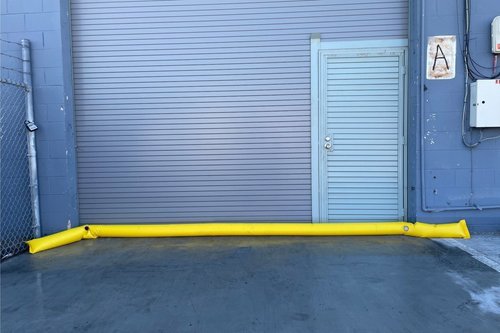
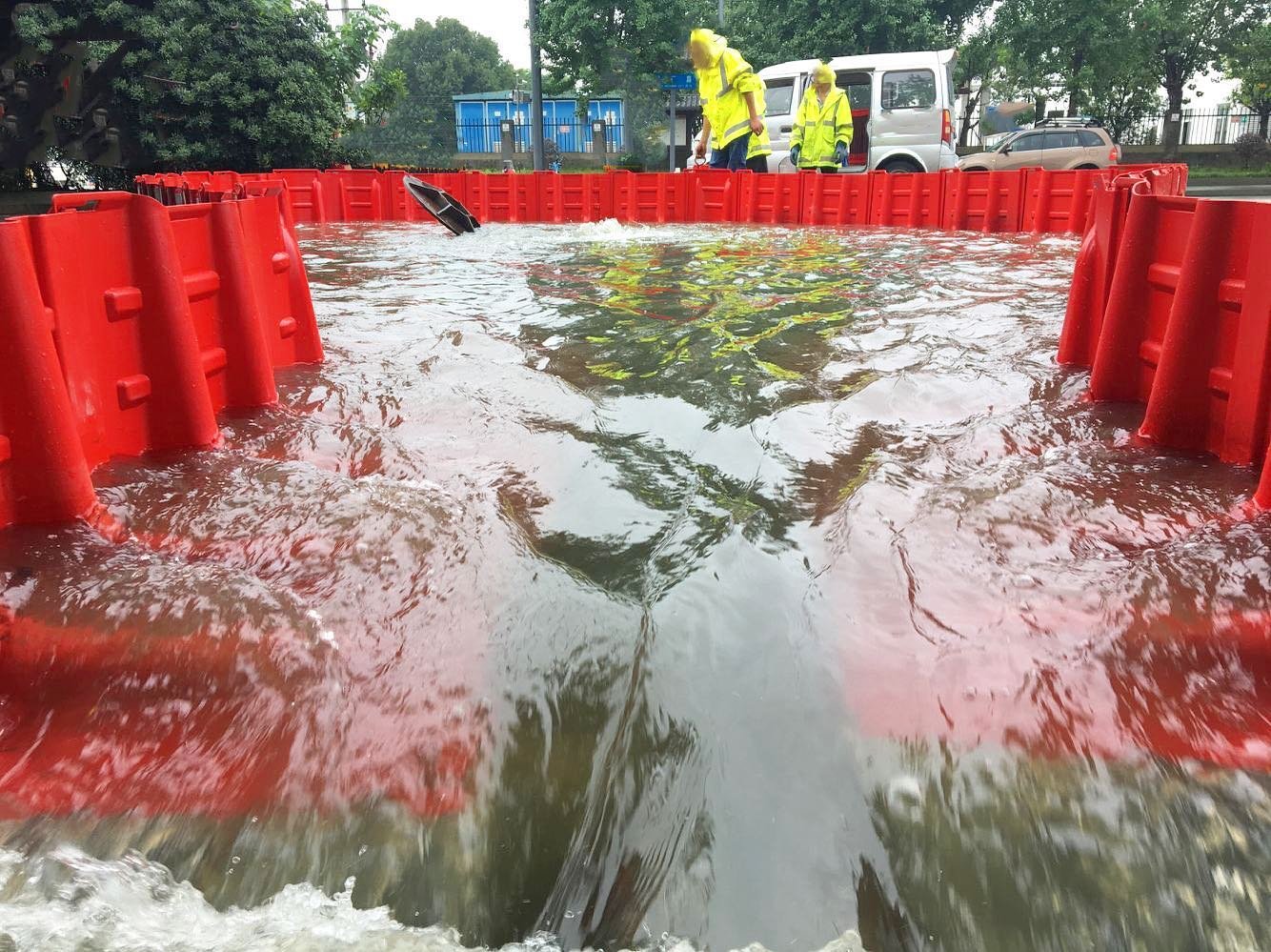
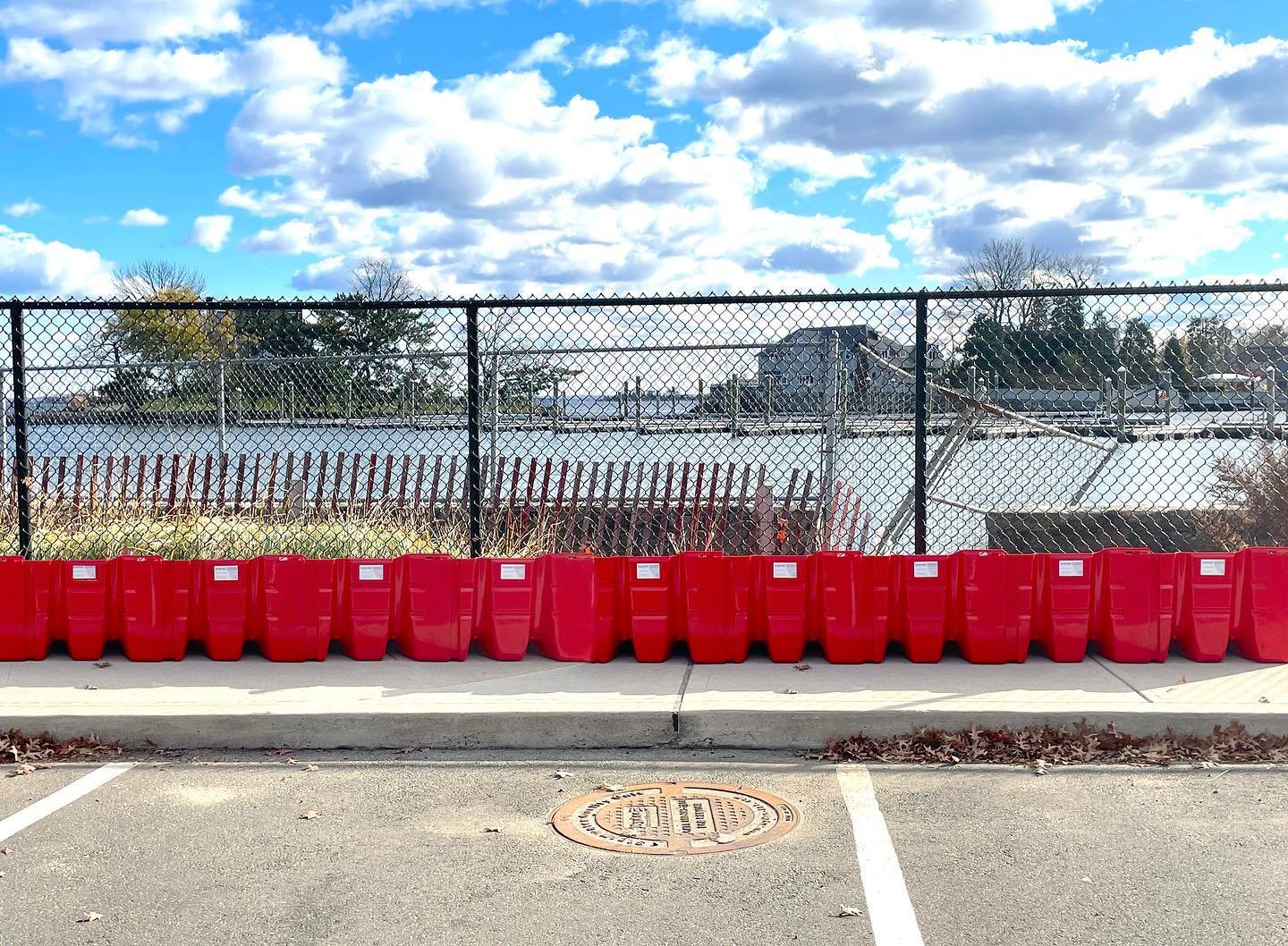
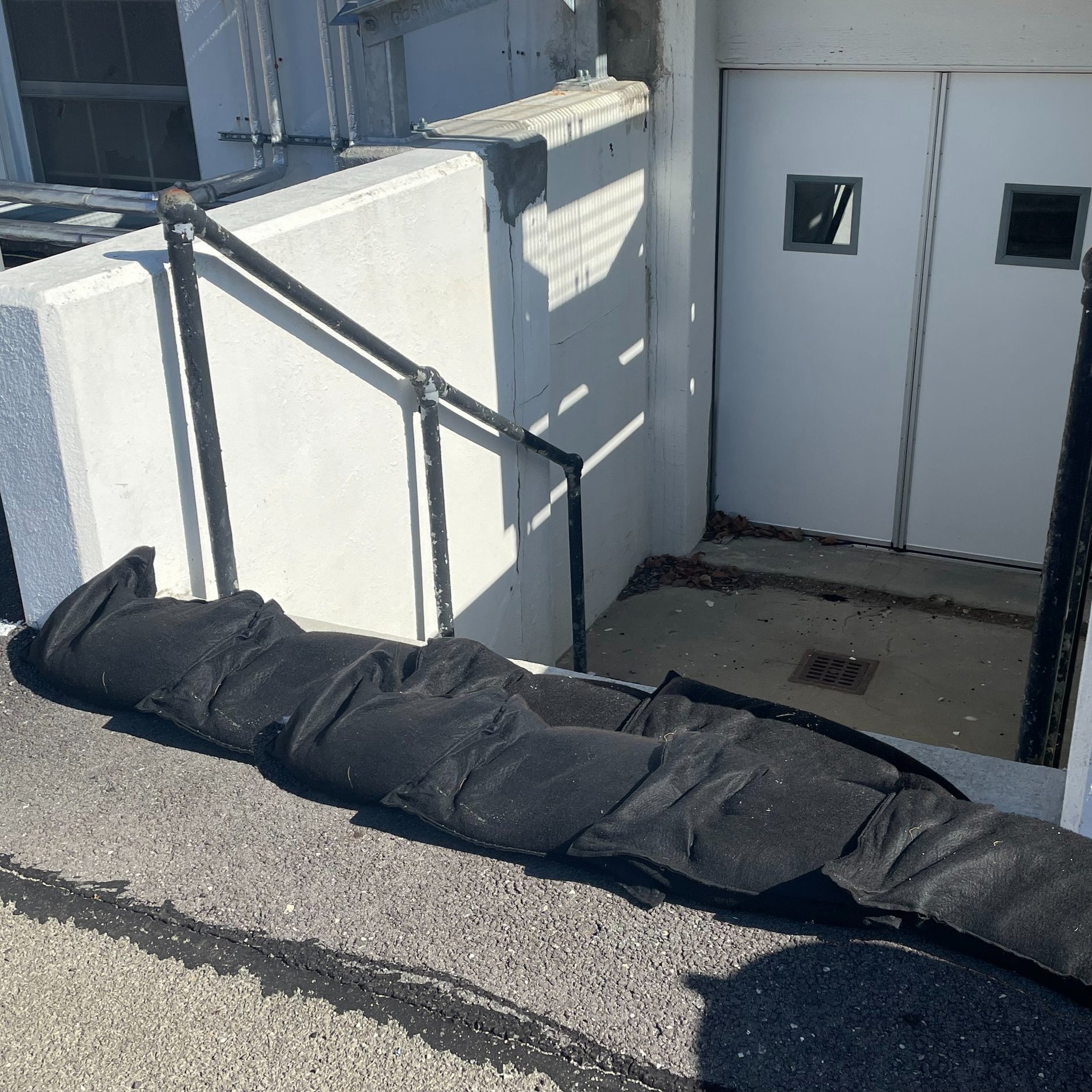
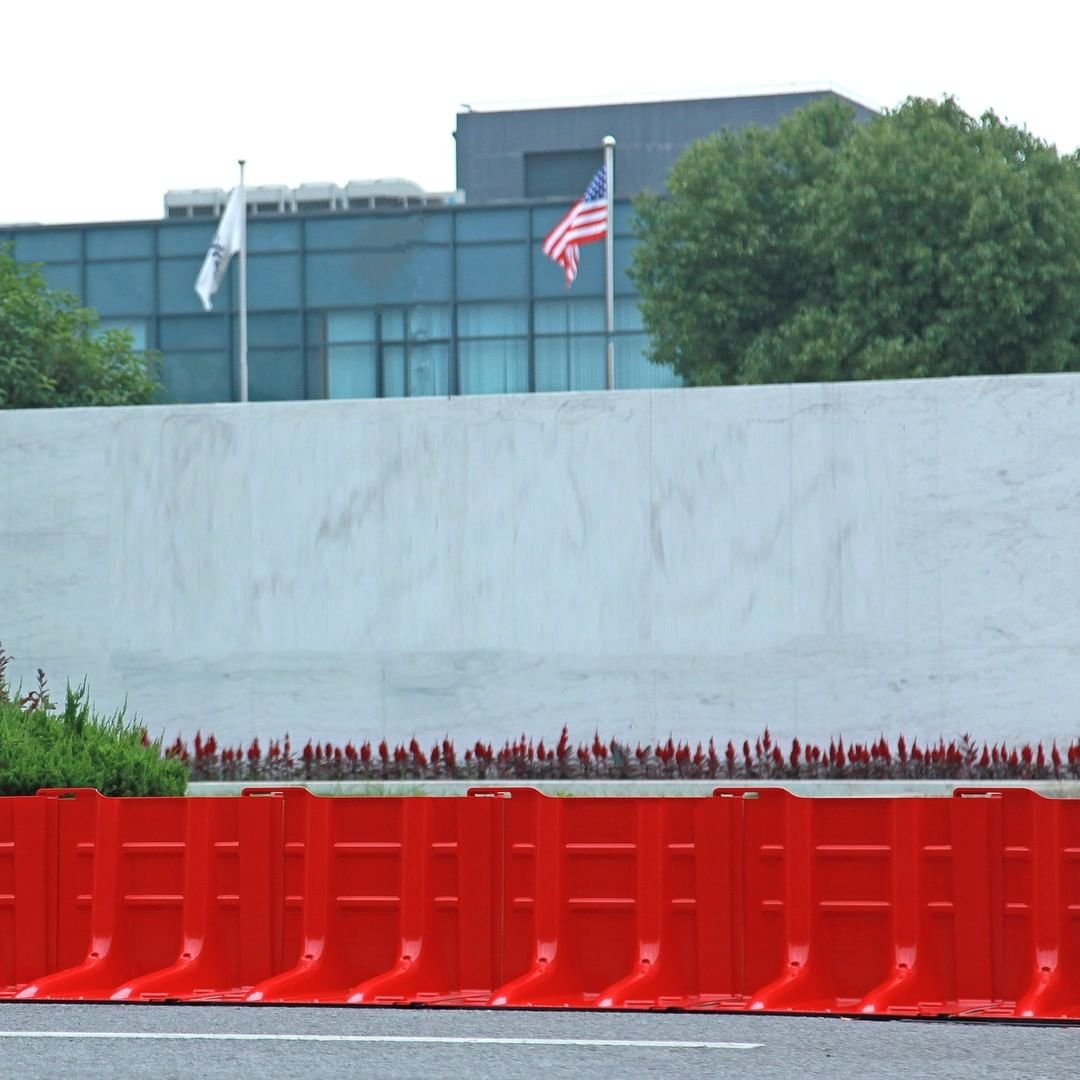
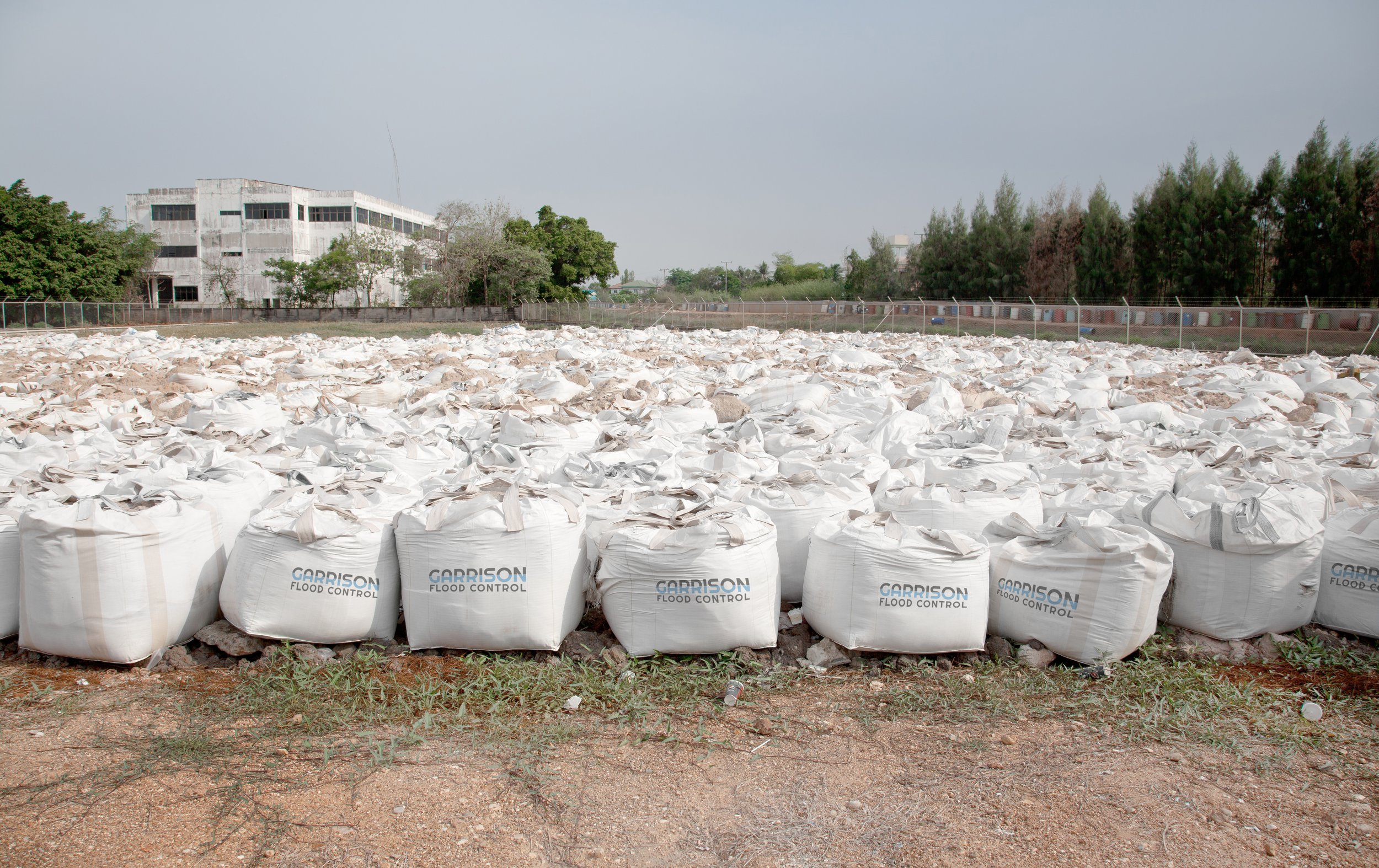
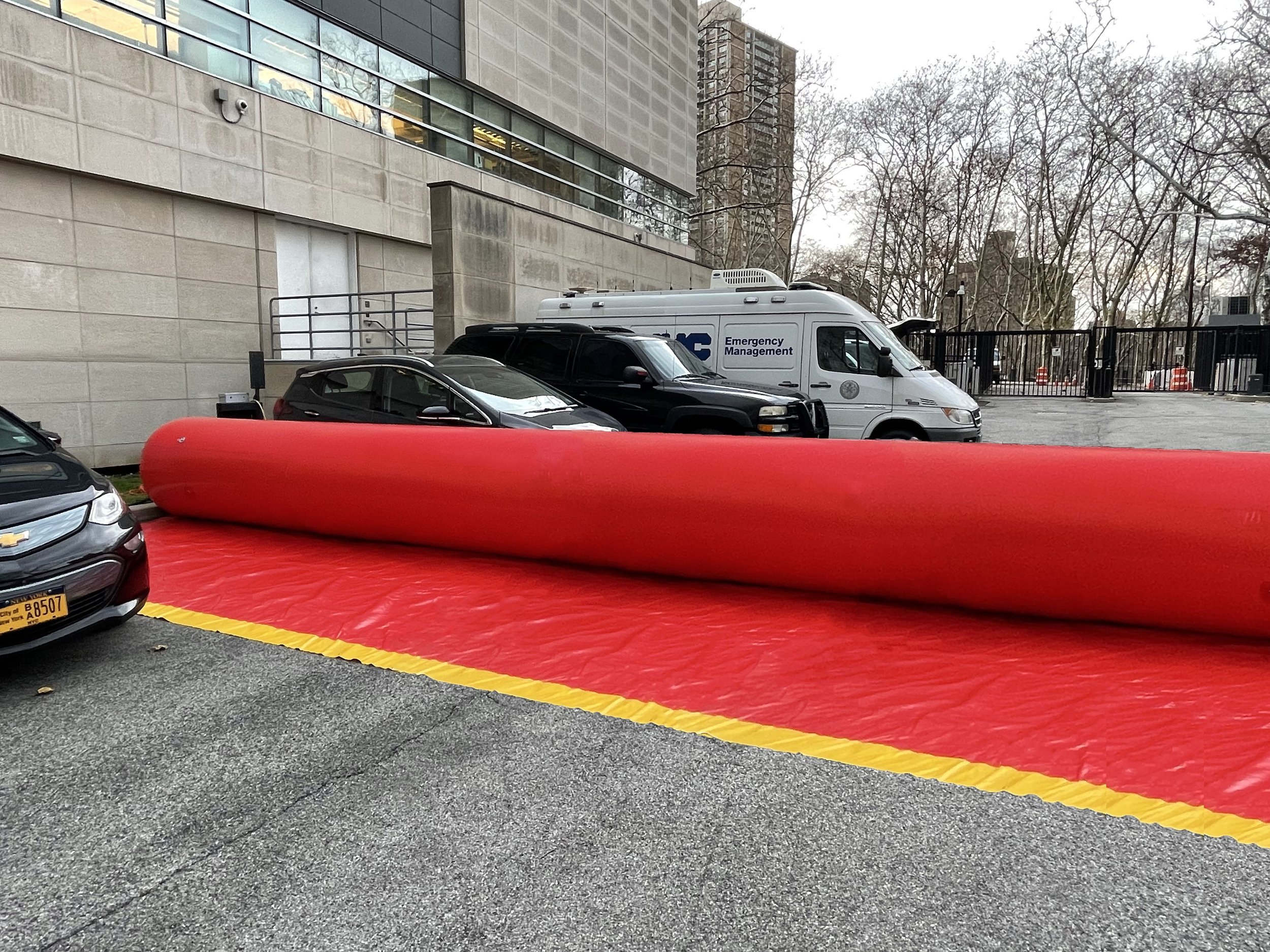
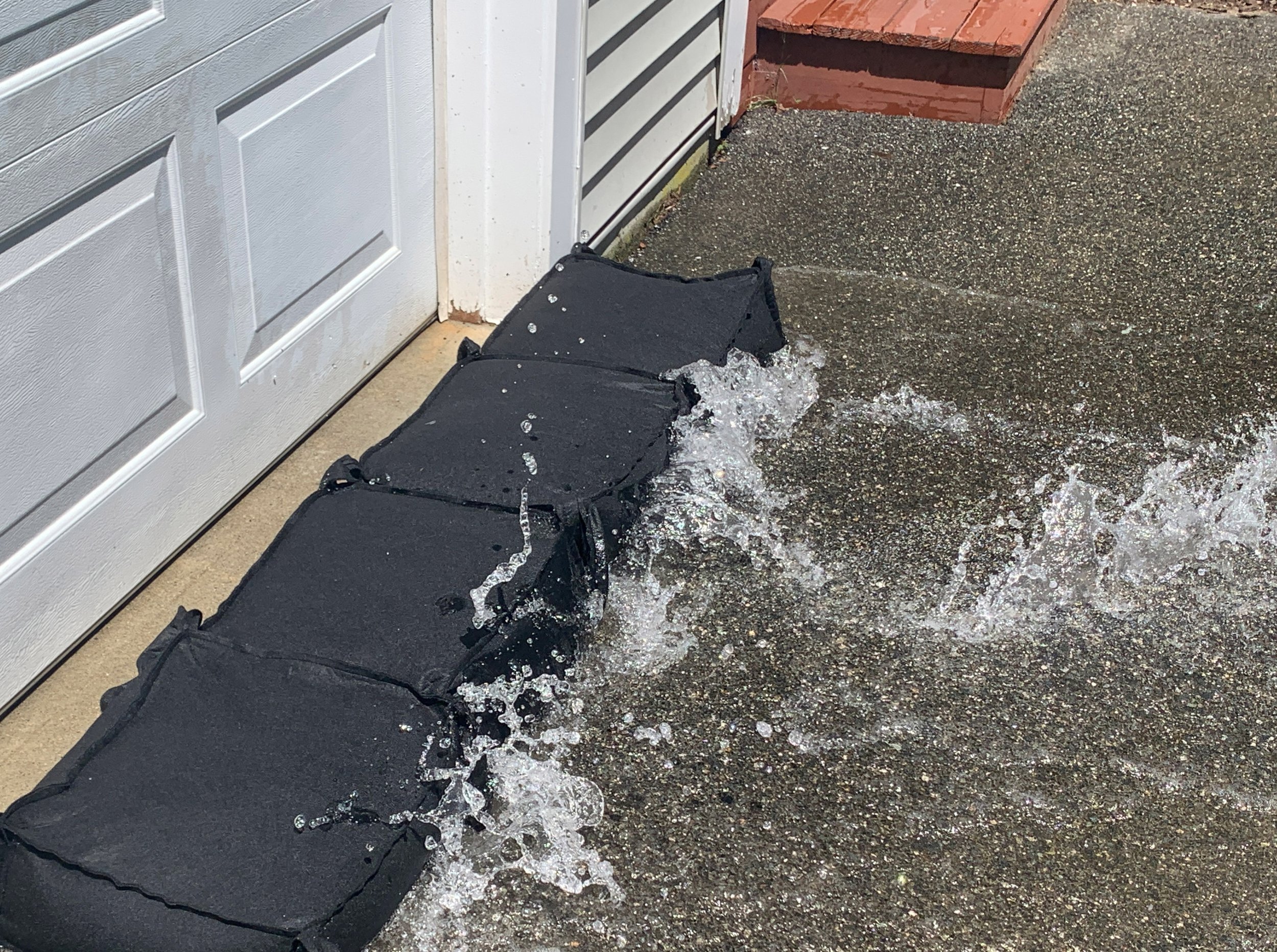
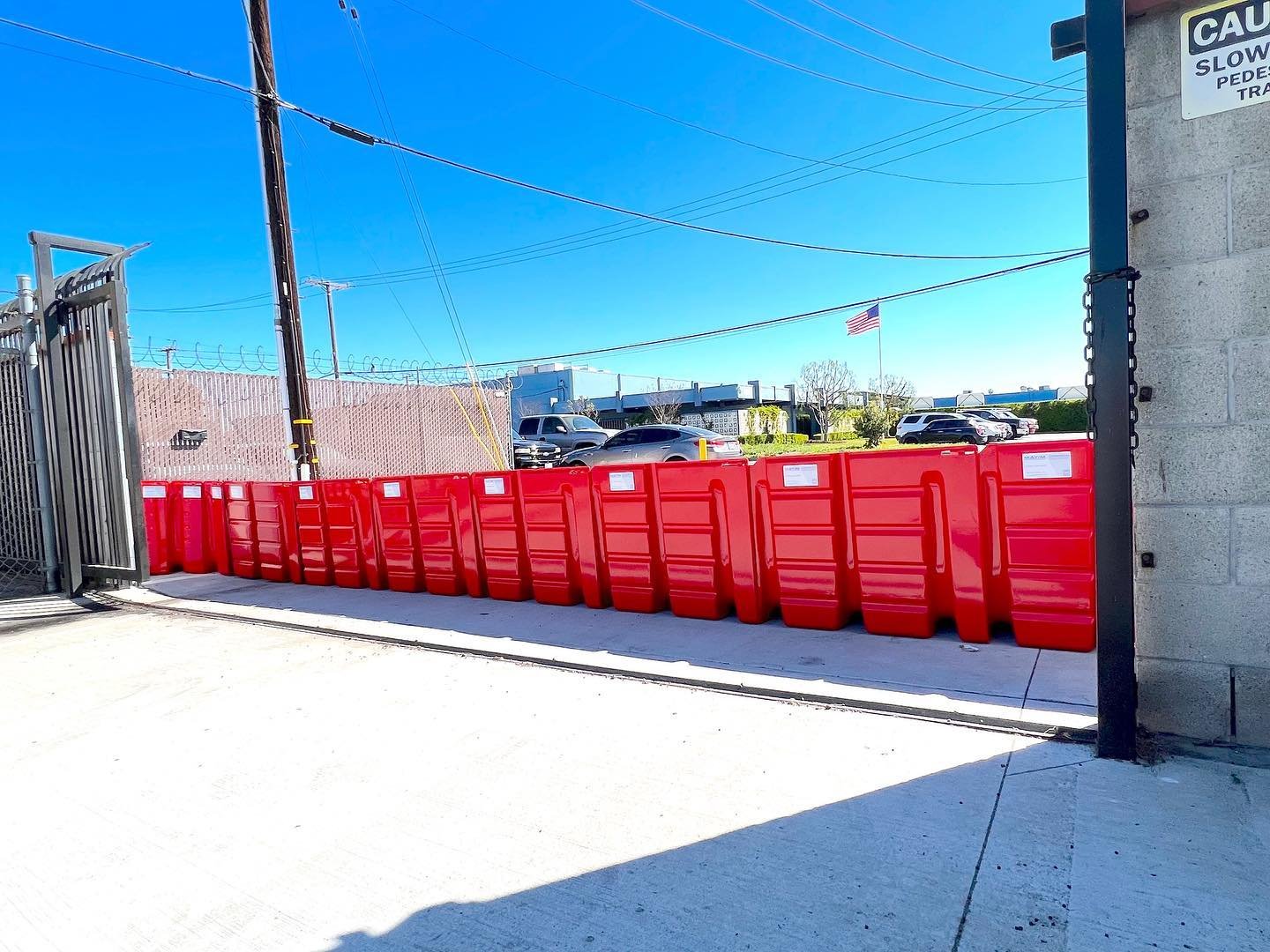


Our Flood Control Products and Water Diversion Systems Are Available Through The Following USA Cooperative and Canadian National Contracts:
The Interlocal Purchasing System - TIPS-USA Vendor Contract #220702 (Temporary Flood Barriers)
Sourcewell - Master Agreement #040825 - Water Collection and Control Products for Community Infrastructure
Government of Canada SOSA Contract #CW2234303 (Emergency Response Flood Barrier Solutions)
Pinellas County Emergency Management Department #25-0786-ITQ - General Solicitation for Emergency-Disaster Response Goods and Services

Contact Us
Feel free to contact us with any questions or for advice on the best flood control solution for your specific needs.
Garrison Helps Government Agencies & Emergency Managers With Their Flood Planning
Frequently Asked Questions About Government & Emergency Management Flood Protection
-
The best flood barriers for government agencies and emergency management departments are systems that can be deployed quickly, scaled across different facility types, and matched to varying flood scenarios. Based on the page, strong options include aluminum flood walls, water diversion barriers, self-rising water dams, flood tubes, large flood bag barriers, and dewatering solutions, with Garrison Flood Control positioning these as part of broader community flood planning and emergency response readiness.
-
Flood protection is important for government agencies and emergency management departments because they are responsible for protecting communities, infrastructure, and critical services before and during flood events. Early preparedness can make the difference between mitigating flood damage and facing a broader local emergency.
-
The page identifies several common causes of water intrusion at government and community facilities, including severe storms, runoff, flash floods, rising lake water levels, overflowing rivers and creeks, coastal erosion, backed up sewers or drains, and inadequate drainage.
-
Emergency managers need flood plans beyond traditional assumptions because the page notes that FEMA flood maps do not account for flooding caused by intense rainfall, and it also states that 14.6 million U.S. properties are at risk of a 100-year flood while such events are occurring more frequently than projected.
-
Government flood barriers can help protect property perimeters, doorways, garages, waterfront communities, water and sewer infrastructure, utility and power facilities, basements, stairwells, and municipal buildings.
-
Collaborative, honest, and straightforward. We're here to guide the process, bring ideas to the table, and keep things moving.
-
Flood barriers support emergency preparedness by giving local governments and emergency managers solutions that can be deployed in advance to reroute or hold back floodwaters. The page specifically emphasizes easy-to-deploy systems with varying heights and capabilities as part of a broader community protection plan.
-
Flooding at government municipalities results in closed services and a reduction in economic development and community welfare. That means municipal flood protection is not just about buildings, but also about keeping communities functioning during and after flood events.
-
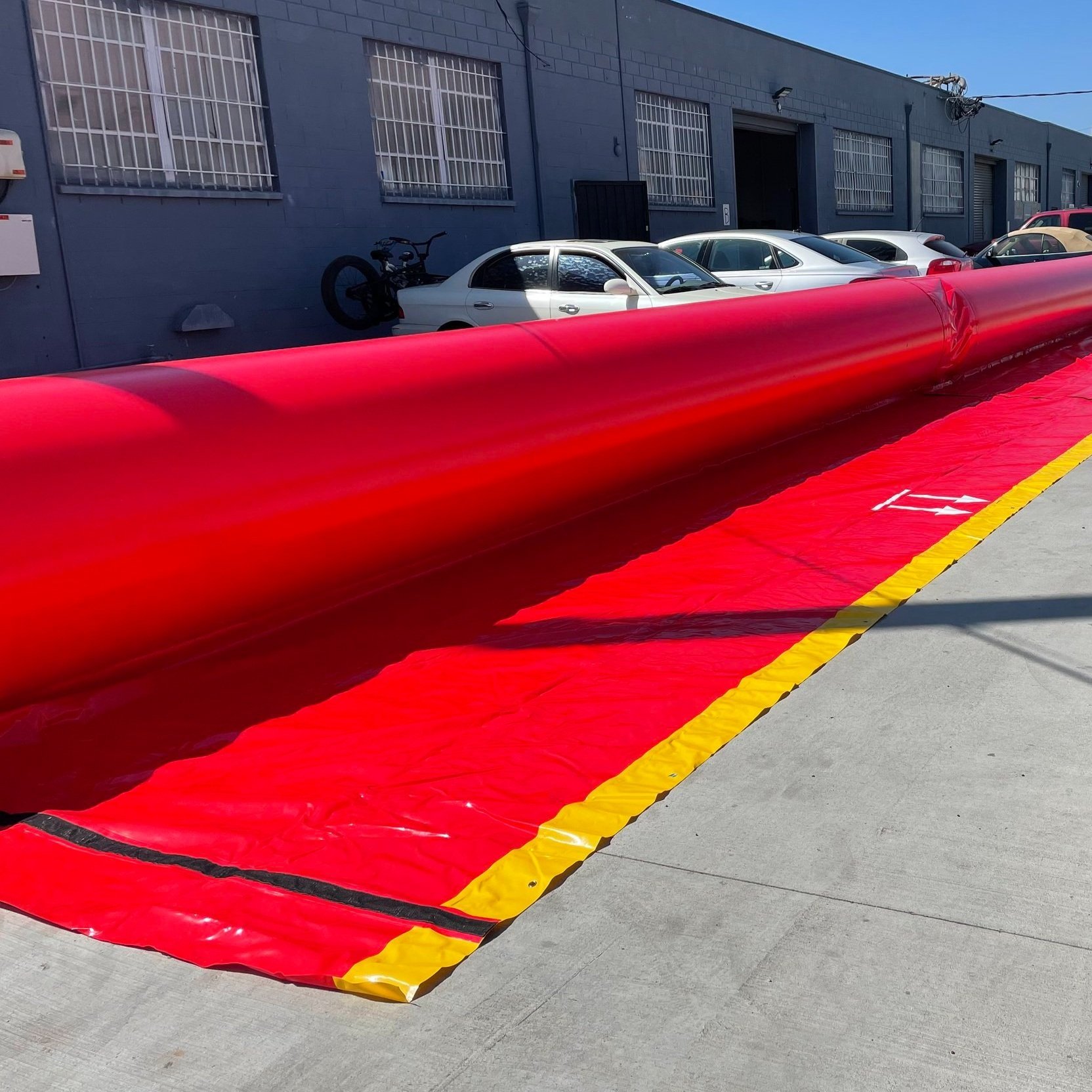
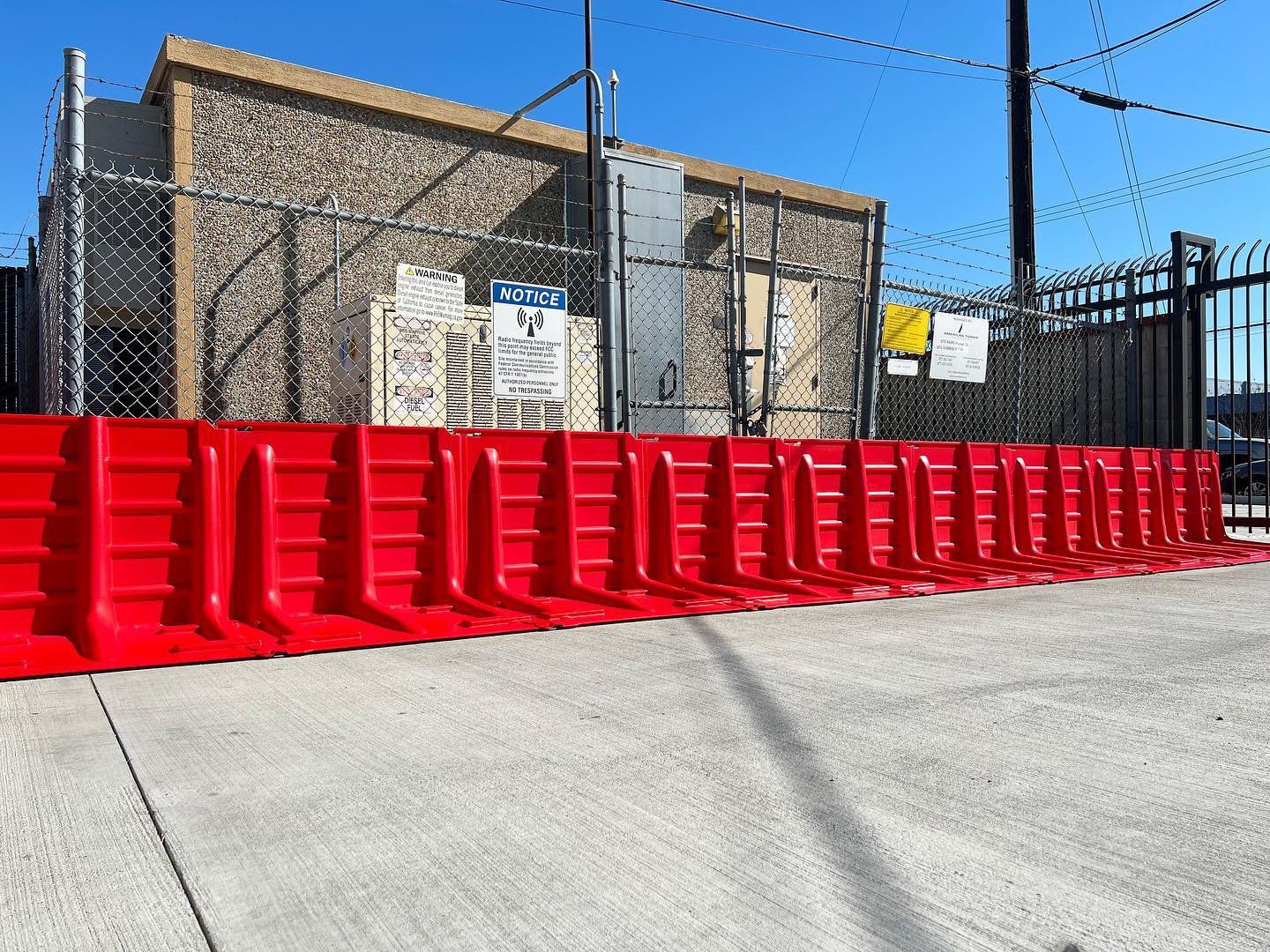
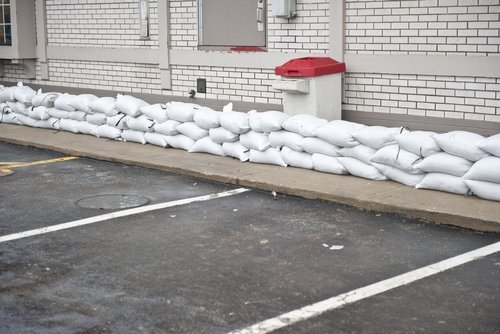
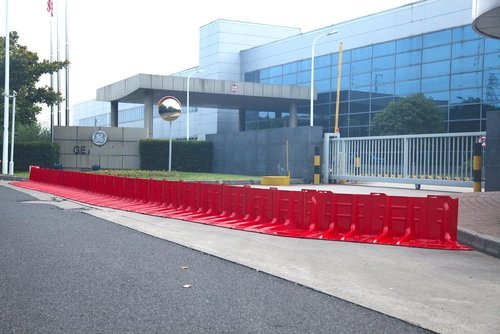
There are several system types for government and emergency management use, including aluminum plank flood walls, water diversion barriers, large water diversion barriers, self-rising water dams, water filled flood tubes, heavy duty flood barriers, large flood bag barriers, sandbags, water absorbing flood bags, inflatable flood tubes, and dewatering drainage pumps.
-
Flood protection can help public agencies safeguard critical infrastructure by protecting utilities, power plants, water and sewer assets, municipal buildings, and access points like basements and stairwells. These protections help reduce service disruption and improve local resilience during severe weather and flood emergencies.
-
The best approach is to predict, plan, and prepare before floodwaters arrive. That framing appears directly on the page and aligns with its broader emphasis on advance planning, defined protocols, and deployable barriers as part of community flood resilience.